

Key Takeaways
- Furniture should fill two-thirds of available wall space (2/3 rule) to maintain proper visual balance and proportion in small rooms without feeling cramped or sparse.
- Transparent materials and raised furniture legs create visual lightness, allowing the eye to move through pieces and making floors feel less crowded.
- Track arms measure two to three inches wide compared to rolled arms at eight to 10 inches, taking up less total seating width.
- Primary walkways require 30 to 36 inches of clearance, while secondary paths need 18 to 24 inches to maintain comfortable movement through rooms.
- Double-duty pieces like storage ottomans and lift-top coffee tables serve multiple functions, reducing the need for additional furniture in tight spaces.
Furnishing a home with limited square footage requires a strategic approach. When every inch counts, you cannot simply buy standard-sized items, place them wherever they fit and hope for the best. Creating a functional, comfortable and visually appealing room in a compact footprint means choosing pieces that serve multiple purposes, understanding the rules of scale and maximizing vertical real estate.
The right furniture transforms a studio apartment, a small one-bedroom or a dorm room from cramped to comfortable. This guide explores selecting small space furniture built for tight spaces, designing functional outdoor areas, planning your layout and managing clutter.
Fundamentals of small scale and visual weight
Before purchasing any item for a compact home, it helps to understand the design principles that dictate how objects feel inside a room. Two pieces of furniture with the exact same physical dimensions can look entirely different in a room based on their design, color and materials.
What is the 2/3 rule for furniture?
Interior designers frequently mention the 2/3 rule when discussing layout strategies. This guideline suggests that furniture should fill about two-thirds of the available space to achieve the right visual balance between occupied and open areas.
For example, if a living room wall is 120 inches long, an ideal sofa would be about 80 inches long. A 40-inch loveseat may look too small, while a 110-inch sofa can make the room feel cramped.
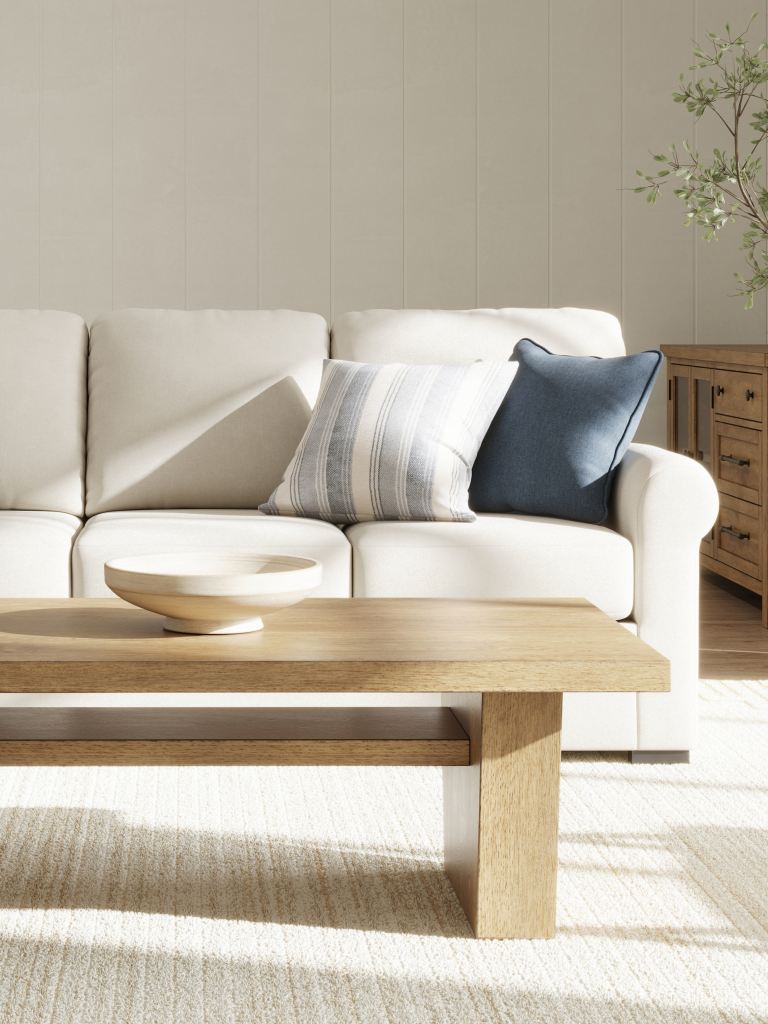
This rule also applies when pairing furniture. A coffee table should be about two-thirds the length of the sofa that is paired with it. A piece of art should be about two-thirds the width of the sideboard or console below it. In small spaces, this proportion can help furniture look intentional and properly scaled.
Managing visual weight
Physical size is only part of the equation; visual weight matters, too. Visual weight is how heavy or dense a piece looks. In a small home, lower visual weight helps a room feel more open.
One way to do that is with see-through materials. A glass coffee table with thin metal legs may use the same floor space as a dark oak trunk, but the table lets the eye move through the piece and keeps the floor feeling less crowded.
Furniture with exposed legs can have a similar effect. A sofa with a skirt that reaches the floor can look like a solid block. A sofa raised on wooden legs leaves visible space underneath, which helps the room feel lighter. Look for furniture with slim profiles, exposed legs and transparent or reflective surfaces.
Best furniture for small spaces room by room
Finding the right pieces requires looking at how you actually use each room. The goal is to maximize functionality without introducing unnecessary clutter. Here is a breakdown of what to look for in every area of a compact home.
The Living Room
The living room often works hardest in a small home, serving as a lounge, dining area and home office. For compact living rooms, designers often recommend mid-century modern, Scandinavian and minimalist styles. These styles favor clean lines, minimal ornamentation and raised legs, which help a room feel lighter and less crowded.
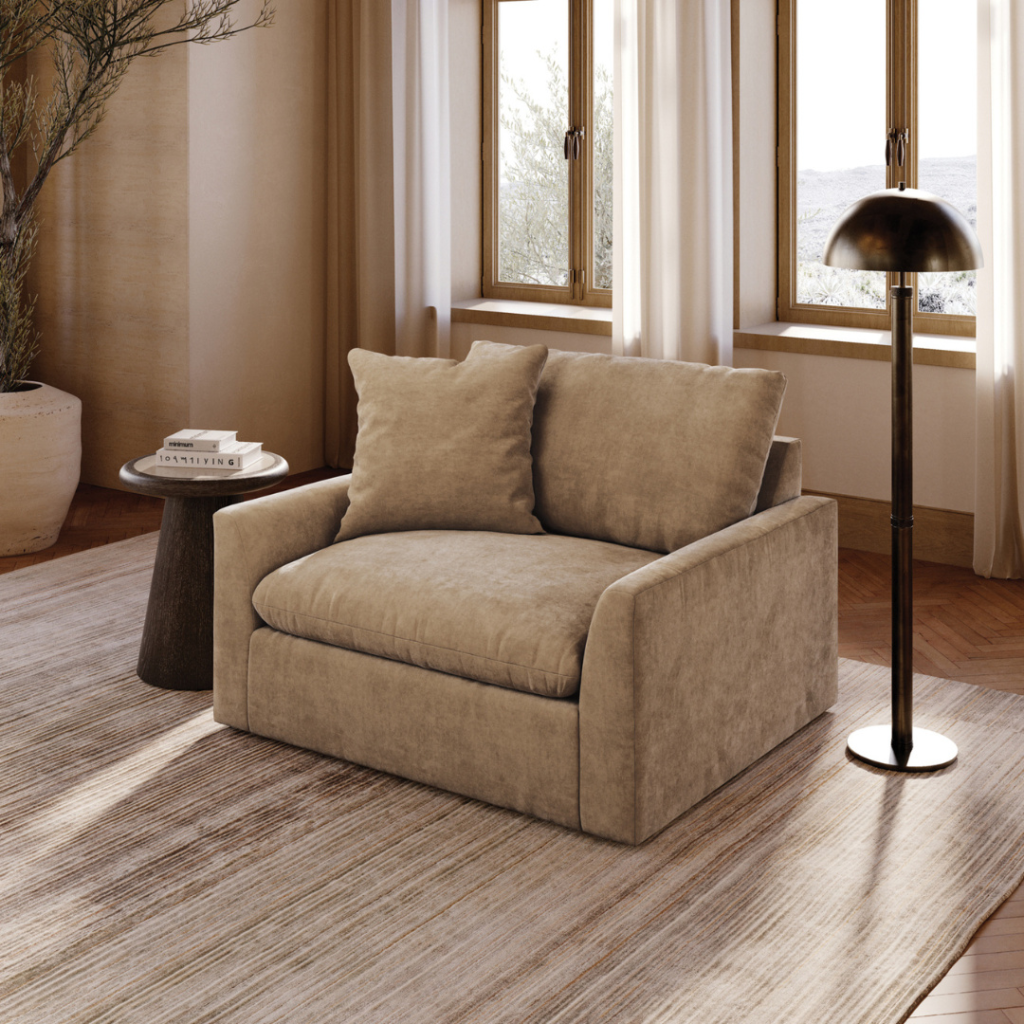
When choosing seating, sofa shape matters. Good options for small spaces include apartment sofas, loveseats with track arms and modular sectionals.
Track arms are straight, narrow arms that run down to the seat cushion, and are usually about two to three inches wide. Traditional rolled arms can be eight to 10 inches wide, taking up more space without adding seating. A track-arm sofa or loveseat helps maximize seating while keeping the footprint smaller.
Modular furniture is also a smart choice. Because it comes in separate sections, it can be connected or rearranged to fit different layouts. That flexibility can be especially useful if you move.
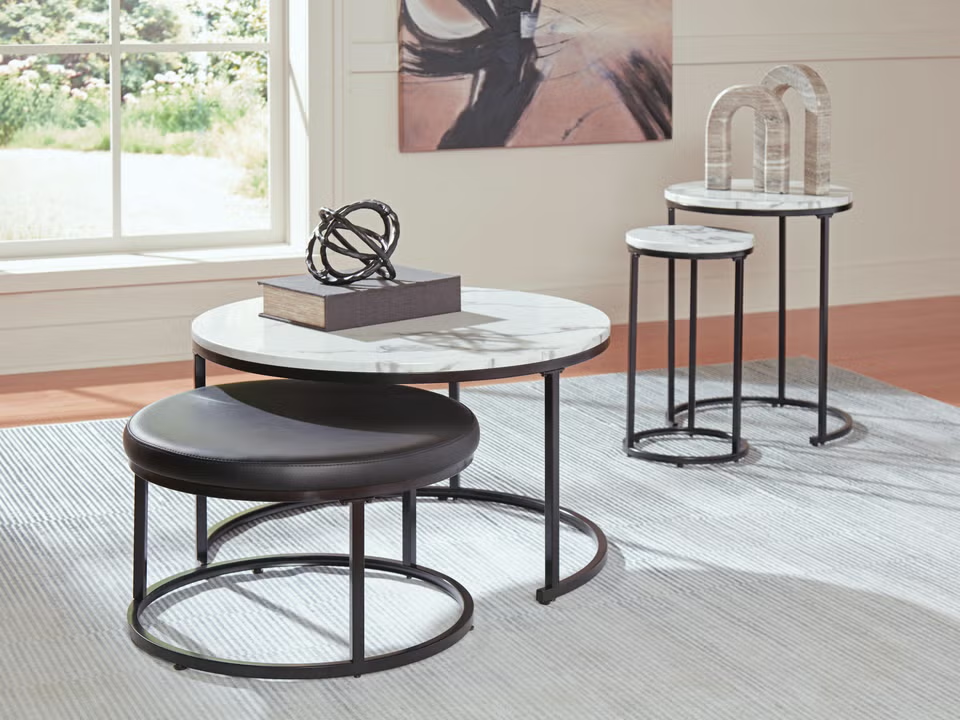
Instead of a traditional coffee table, consider nesting tables or a small storage ottoman with a reversible tray top. Nesting tables tuck neatly together when not in use and can be spread out when you need extra surface space.
The Bedroom
A small bedroom should prioritize a calm atmosphere, which is difficult to achieve if the room is overflowing with clothing and personal items.
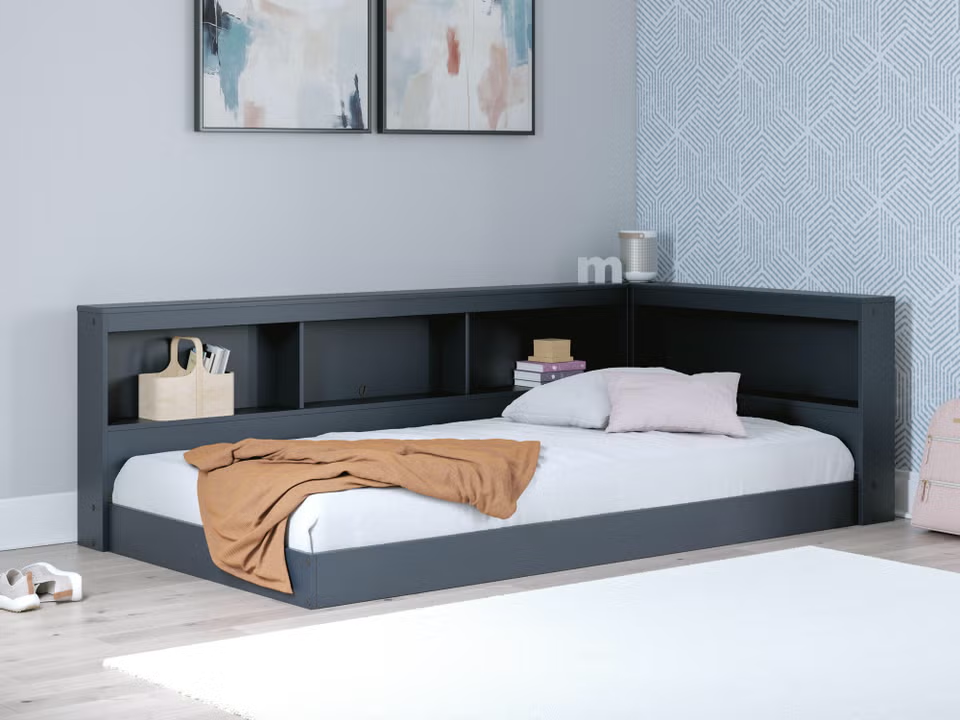
The bed will naturally be the largest item in the room, so it must work twice as hard. Under bed storage is highly recommended. Look for platform beds that feature built-in storage drawers in the base. If you need maximum capacity, consider a hydraulic lift bed. The entire mattress platform lifts up on gas struts to reveal a large storage compartment underneath, ideal for out-of-season clothing, extra bedding and bulky suitcases.
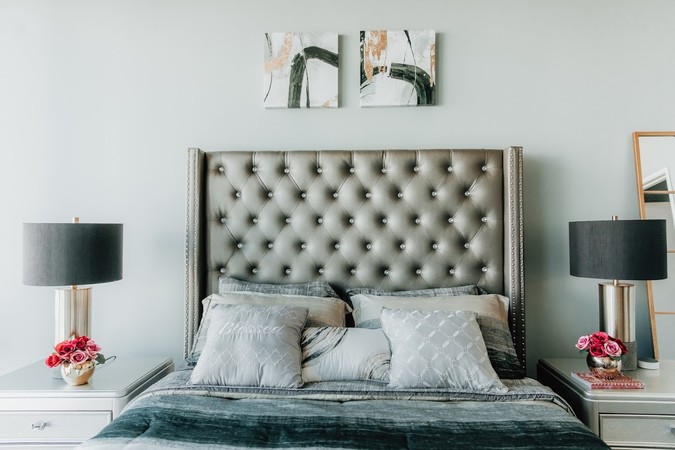
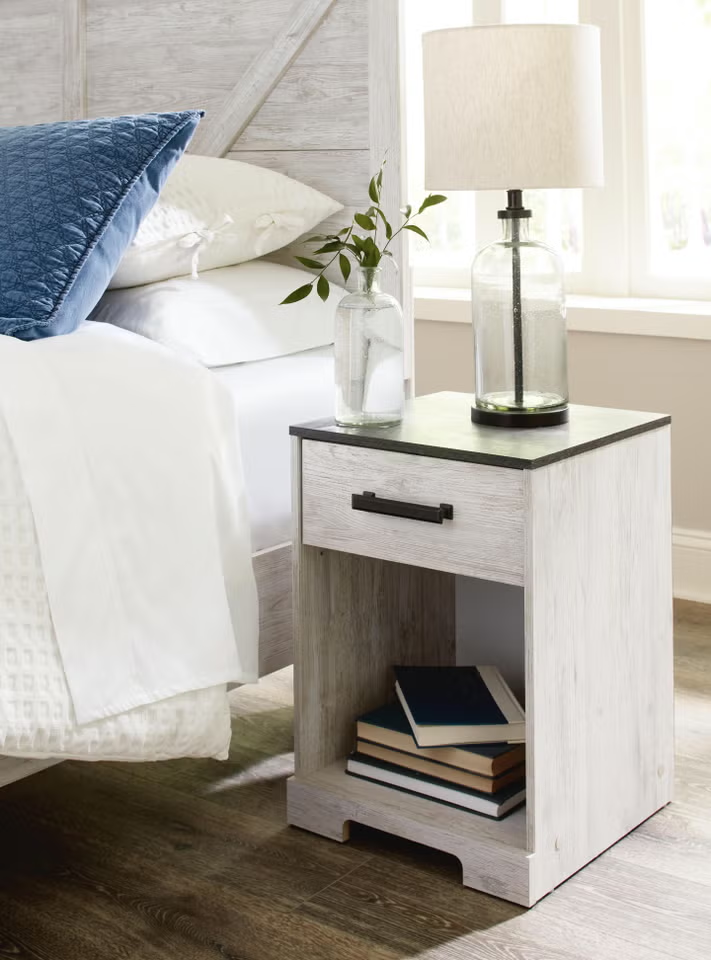
To free up floor space next to the bed, skip the traditional bulky nightstands. Instead, install a wall-mounted sconce for reading light and use a small floating shelf to hold your phone, glasses and a glass of water. If you must have a bedside table, look for a tall, narrow piece, or use a small desk that can double as a workspace during the day and a nightstand in the evening.
The Dining Area and Kitchen
Many small apartments completely lack a dedicated dining room, making it necessary to carve out an eating area in the living room or kitchen corner.
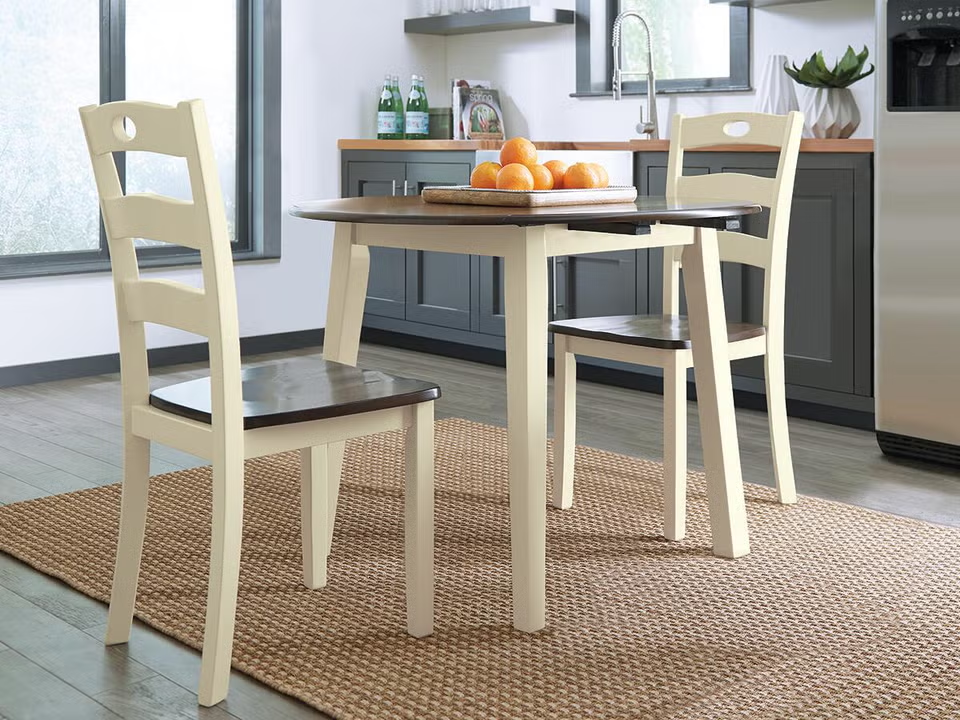
Drop-leaf tables and extendable tables are useful options here. A drop-leaf table can sit flat against a wall, acting as a slim console or work desk for one person. When guests arrive, you can pull it out, lift the leaves and seat four to six people.
Pair these tables with folding chairs that can be hidden in a closet or stacked in a corner when not in use. Another popular option for tight kitchens is a high-top counter table or a rolling kitchen island.
The Entryway
The entryway is often just a blank wall near the front door in small apartments, yet it easily becomes a place for shoes, coats and mail.
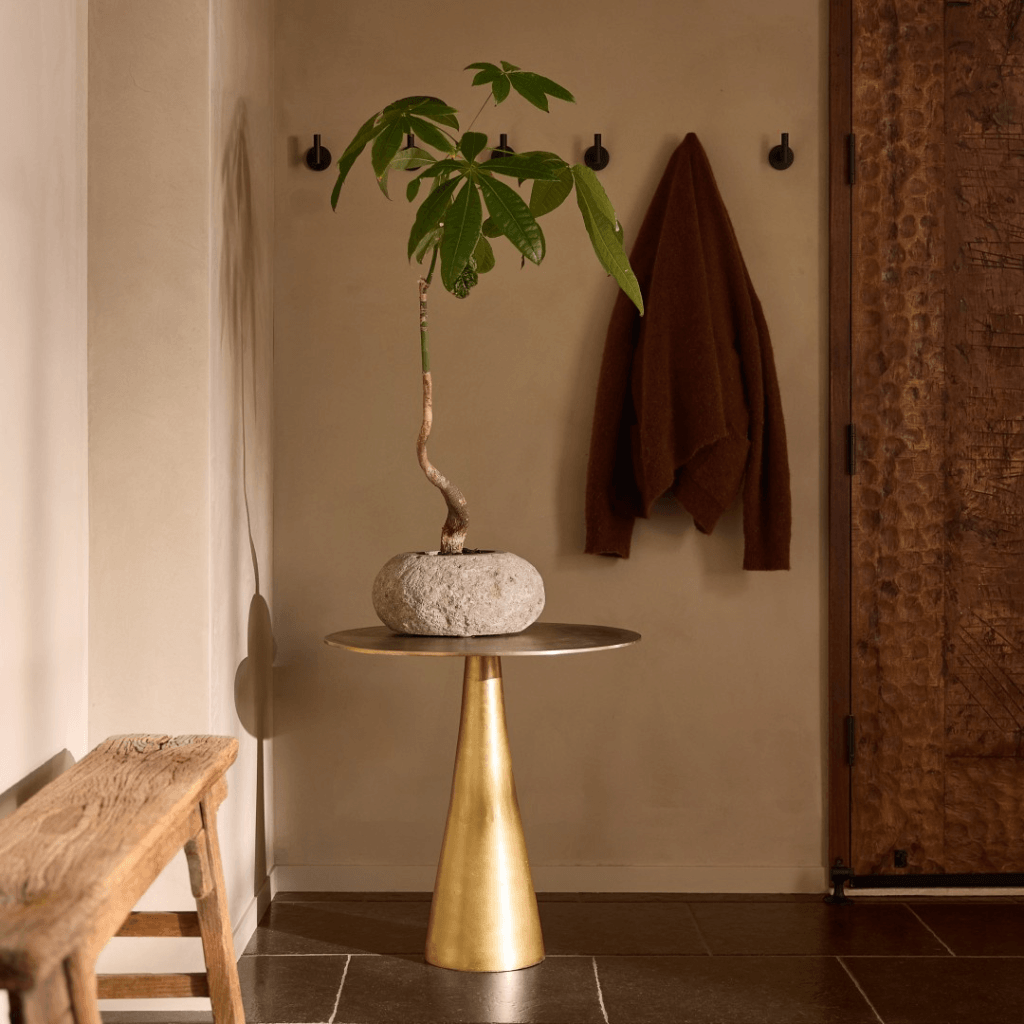
To manage this zone without blocking the door, rely on ultra-slim storage. A narrow shoe rack with tilting drawers can hold up to a dozen pairs of shoes while only extending six inches out from the wall. Above the shoe rack, install a pegboard system or a row of heavy-duty hooks for coats, bags and dog leashes. Adding a small mirror above entryway furniture not only gives you a place for a final check before leaving but also reflects light, making a tight entry feel more spacious.
Finding the right small space patio furniture
Outdoor space is valuable, but small balconies and narrow patios can be hard to furnish. You need pieces that handle the elements, fit limited dimensions and still create a comfortable place to sit.
Before you buy patio furniture for a small space, take precise measurements of your balcony. Check the depth and see which direction the door swings. Outward-opening doors require you to leave the full swing radius empty, which affects where you can place furniture.
For balcony furniture, efficiency matters. A bistro set with a small round table and two folding chairs is often a smart starting point. Round tables are easier to move around in tight spaces because they have no sharp corners. Foldable pieces are also useful since they can be stored against a wall when you need more open floor space.
Material choice also matters. Heavy teak or bulky resin wicker can visually overwhelm a compact patio. Powder coated steel or aluminum furniture can provide a slimmer profile for a compact space.
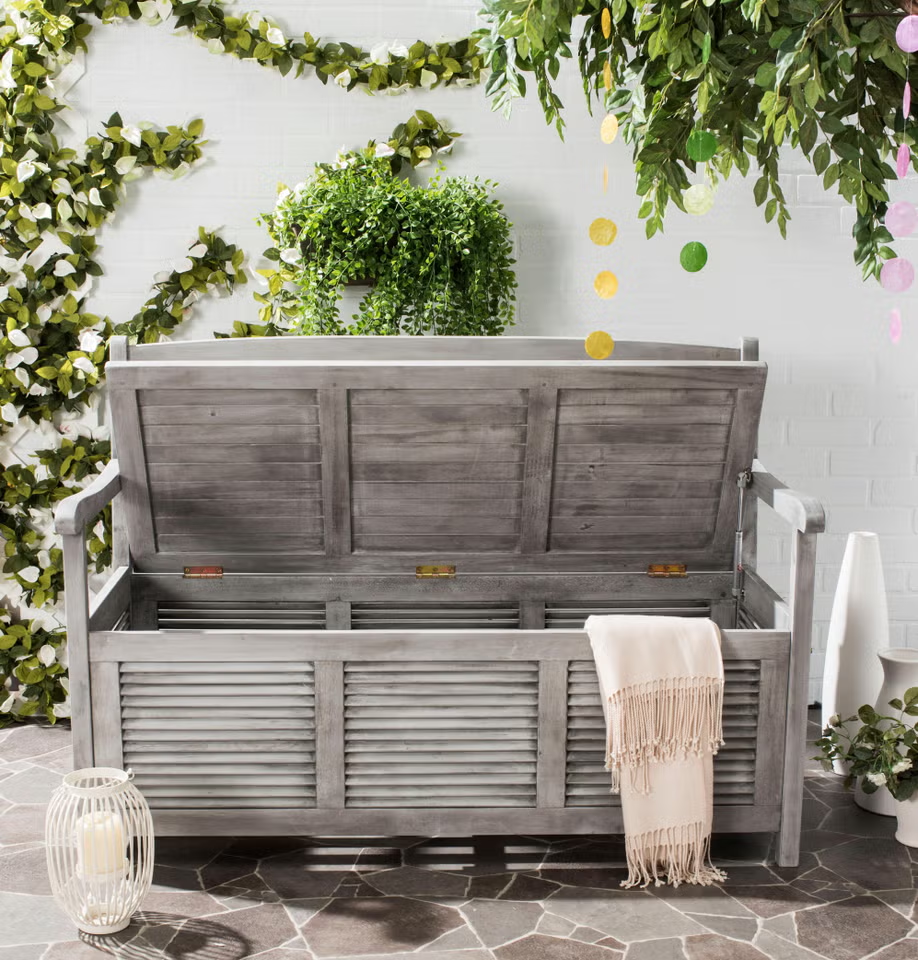
If you have a little more room, consider an outdoor storage bench. It adds seating while storing cushions, gardening tools or grilling accessories under the seat.
How to organize small space furniture
Buying the right items is only the first step. Knowing how to organize small space furniture effectively determines how comfortable and functional your home will be. Proper arrangement requires thinking about traffic patterns, zones and visual flow.
Establish traffic flow
A common small-room mistake is creating obstacles that interrupt movement. You should not have to squeeze past a chair or walk around a coffee table to reach the front door.
Aim for 30 to 36 inches of clearance in primary walkways, such as the path from the front door to the kitchen. Secondary walkways, like the space between a sofa and side table, can be 18 to 24 inches. Measure these clearances before finalizing your layout. If furniture blocks a primary walkway, consider a smaller piece or a different arrangement.
Create distinct zones
In an open-concept apartment or a studio, you can organize furniture to define different living areas without using actual walls.
You can create these zones using area rugs. Placing a 5×8 rug under your sofa and coffee table anchors the living area, visually separating it from the dining space or sleeping area.
Another effective strategy is using open shelving as a room divider. A tall, backless bookcase placed perpendicular to the wall can separate a bed from the living area. Because the shelving is see-through, it allows natural light to pass from one side of the apartment to the other while still providing a clear visual boundary between the zones.
Float furniture when possible
In small rooms, placing every piece of furniture against the walls can sometimes make the arrangement feel less intentional.
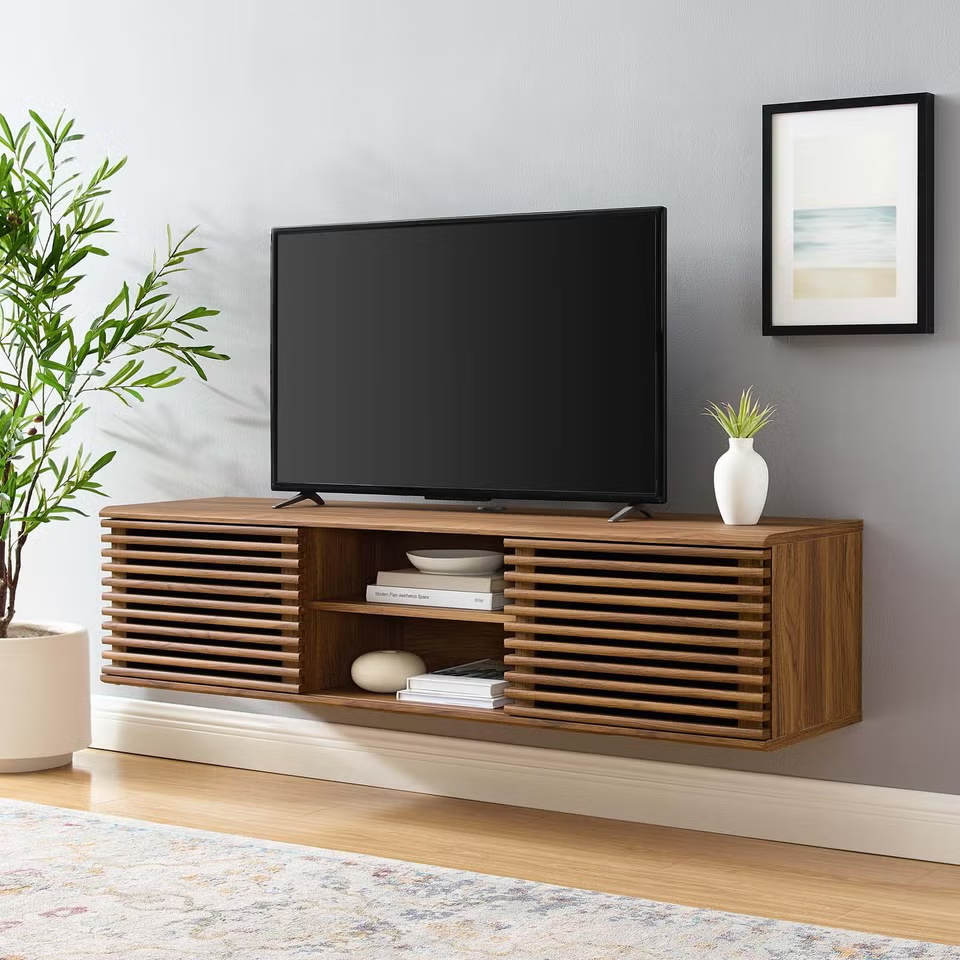
Instead, float a few pieces when the layout allows. A floating TV stand can help preserve floor space. Pulling a sofa three or four inches from the wall adds depth and can make the room feel larger. If the layout allows, place a small sofa in the center facing a window or television, then add a narrow console table behind it. This creates a defined seating area while keeping walkways clear.
Utilize the corners
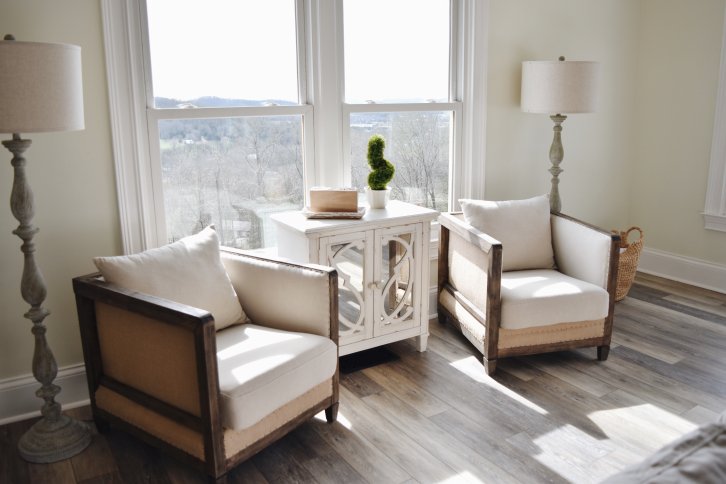
Corners are frequently unused space. When organizing your layout, look for ways to put corners to work. An L-shaped corner desk can turn an open space into a functional home office. A tall corner bookcase can hold books and display items without eating into your main wall space. Even a comfortable accent chair angled into a corner with a wall light creates a cozy reading nook out of previously unused square footage.
Maximizing small space furniture storage
Clutter can quickly make a compact home feel smaller. Even a beautifully designed room can feel cramped if surfaces are covered in daily items. Small space furniture storage requires looking beyond standard closets and finding ways to store belongings within the living areas themselves.
Look for double-duty pieces
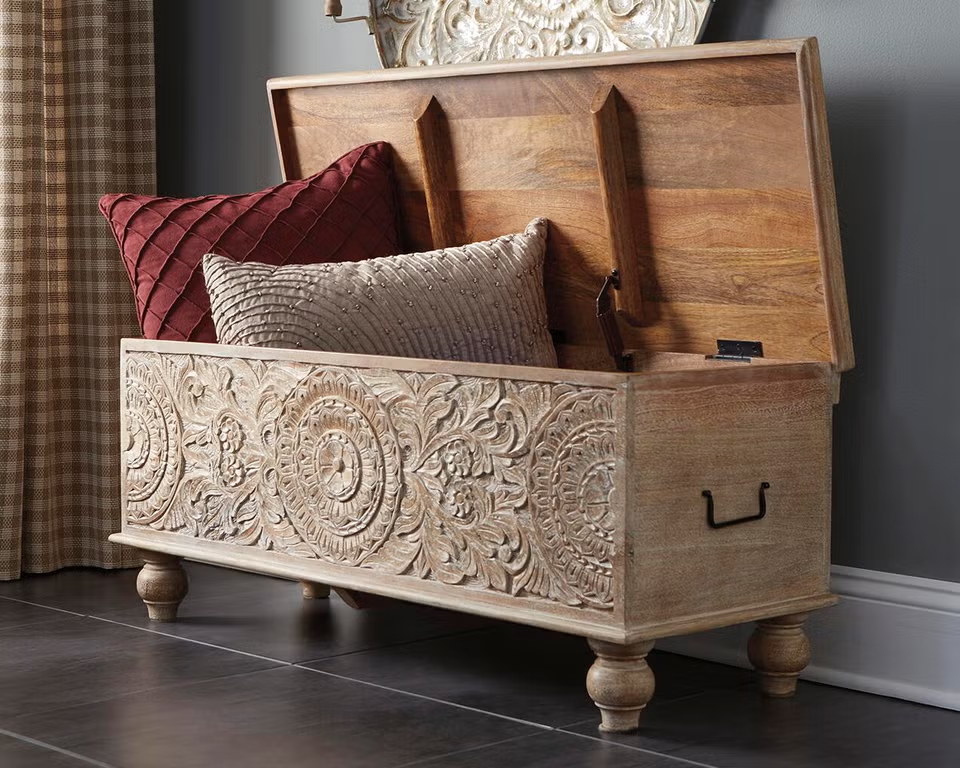
Every item you bring into a compact home should ideally serve at least two purposes. A storage ottoman is a versatile double-duty piece. It serves as a footrest during movie nights, extra seating when appropriate for the product, a coffee table when topped with a wooden tray and a hidden bin for extra blankets and pillows.
Storage benches offer similar flexibility. Use one at the foot of the bed, under a window or in an entryway for seating and storage. In the living room, choose a media console with solid doors to conceal cable boxes, games, cords and other household items for a cleaner look.
Maximize vertical space
When floor space is limited, use vertical storage. Standard bookcases are often six feet high or smaller, leaving unused space below the ceiling.
To add storage, install floor-to-ceiling shelving. This uses more wall space and can make a room feel taller. Place less-used items, such as seasonal decor or specialty cookware, on the highest shelves and keep everyday items at eye level.
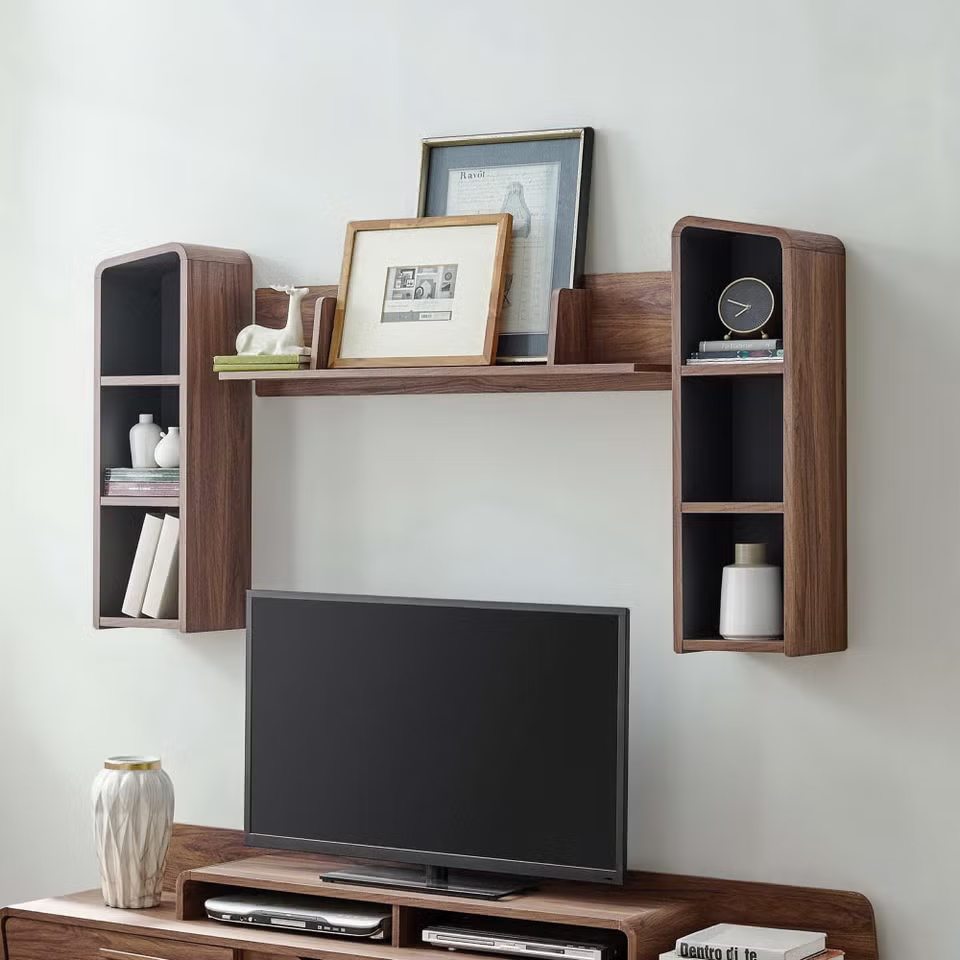
Wall-mounted storage can also help in small apartments and compact homes. In a tight kitchen or home office, a fold-down desk stays flat against the wall and opens only when needed. Floating wall shelves above doorways, over a television or beside a bed can hold books and plants without taking up floor space.
Concealed organization solutions
In a small space, everyday items can quickly create visual clutter. Choose furniture with built-in storage, such as a lift-top coffee table with a hidden compartment for laptops, remotes and magazines.
In the bathroom or kitchen, add small racks to the backs of cabinet doors for spices, cleaning supplies or toiletries. If closet space is limited, use a freestanding wardrobe with mirrored doors to reflect light, make the room feel larger and keep clothing out of sight.
Where to look for small space furniture?
Today, finding furniture for small apartments and compact homes is much easier. Many retailers, including Ashley, offer small space furniture designed for studios, condos and tighter layouts, so you do not have to depend on oversized pieces or custom options.
You can now shop dedicated apartment or small space collections with scaled-down sofas, beds and tables that fit better in compact rooms. Many brands also offer modular and flat-pack furniture, which is especially helpful when moving items through narrow doors, hallways and stairwells.
When shopping online, always check the exact product dimensions instead of relying on photos. It also helps to look for features such as wall-hugger recliners, zero-clearance designs, nesting tables and modular pieces to make the most of a small space.
At Ashley, flexible financing options can also make it easier to choose furniture that fits your space, your style and your budget.

Furnishing your small space
Successfully outfitting a compact home is a matter of thoughtful planning. By focusing on scale, prioritizing double-duty functions and maintaining organization, you can transform a compact floor plan into a functional, comfortable living environment.
Remember to apply the 2/3 rule to keep pieces proportionate to your walls, choose light-profile designs to reduce visual density and utilize vertical storage to keep floors clear. Whether you are searching for an ideal track-arm loveseat, a space-saving patio bistro set or clever under bed storage, approaching your purchases with a strategy helps ensure your small home works well for your daily life.