
Outdoor Furniture Materials

Home Decor & Furniture, Outdoor & Patio Ideas Published: March 5, 2024

Learn more about the different types of outdoor furniture materials, and which is best for your climate.

A Guide to Coastal Décor and Furnishings

Home Decor & Furniture Published: March 5, 2024 | Updated: September 24, 2024

Coastal decorating draws from the natural elements of the beach, like sun, wind, sand, sea, and sky. A tastefully designed coastal home encompasses a collection of rustic furniture and décor to create a tranquil atmosphere.

Earthy Home Décor Essentials

Published: November 2, 2023

Want to achieve an Earthy aesthetic for your home? Get inspired and check out these earthy décor essentials for any room in your home.
Buying Guide: Fire Pits

How To, Seasonal, Winter Inspiration Published: August 11, 2023 | Updated: August 15, 2023

Check out XO Ashley’s guide to choosing a fire pit! Learn what to look for in a fire pit, what types of fire pits are best, and where to place your fire pit.

2023 Home Decor Trends

Home Decor & Furniture, Ideas & Trends Published: March 14, 2023

Stay trendy with Ashley’s round-up of 2023 home decor trends! Learn more about the styles and colors that will dominate next year.

How to Furnish Your First Home: Checklist & Tips

Home Decor & Furniture Published: March 14, 2023

Just purchased your first home? Learn how to furnish your first home quickly and on a budget with our checklist!

A Guide to Refreshing Your Master Bedroom

Bedroom Ideas, Home Decor & Furniture Published: March 7, 2023 | Updated: March 9, 2023

Makeover your master bedroom with these easy tips to create the bedroom of your dream.

How to Spruce Up Your Bedding

Published: March 2, 2023

Find the best tips for sprucing up your bedding to make the perfect cozy bedroom.

Spring Decorating Ideas & Inspiration for Your Home

Seasonal, Spring Inspiration Published: March 1, 2023 | Updated: March 7, 2023

Make your spring decor spring into life with these tips and tricks!

Balancing Old and New: Finding the Perfect Combination of Furniture

Published: November 10, 2022 | Updated: December 5, 2022

Check out how you can blend modern and traditional furniture for a cohesive look with these ideas from the XO Ashley blog.

How to Create a Peaceful Home

Published: October 19, 2022 | Updated: March 2, 2023

Read our tips for how to create a peaceful home that promotes relaxation for you and your guests.

Sofa Buying Guide: How to Choose Between Sofa Styles

Home Decor & Furniture, Living Room Ideas Published: May 5, 2022 | Updated: March 31, 2023

Read our Sofa Buying Guide for tips on how to choose a sofa type. Learn whether a loveseat, sectional, or sofa is best for your home.

Summer Décor Ideas

Guides, Ideas & Trends, Summer Inspiration Published: March 29, 2022 | Updated: August 23, 2024

Celebrate the arrival of summer with refreshing decor. Check out XO Ashley’s guide to decorating your home for summer.

Minimalist Decor Ideas to Brighten Your Home

Guides, Home Decor & Furniture, Ideas & Trends Published: February 14, 2022 | Updated: April 3, 2023

From minimalist neutral decor to lighting, learn how to brighten up your home for spring with our minimalist decor ideas.

How to Make a Gallery Wall

Home Accessories Ideas, How To Published: October 11, 2017 | Updated: July 24, 2024

Learn how to make a gallery wall! Get tips and tricks for how to choose your art and frames, as well as how to arrange everything.

Outdoor Materials Guide

Guides, Home Decor & Furniture, Outdoor & Patio Ideas Published: September 26, 2017 | Updated: March 16, 2023

Learn more about the different types of outdoor furniture materials, and which is best for your climate.

Boho Décor Essentials

Home Decor & Furniture Published: February 8, 2017 | Updated: April 21, 2023

Trying to achieve an effortless bohemian look for your home? XO Ashley shares our boho décor essentials and popular color palettes for this style.

How to Decorate a Bookcase: Ideas & Inspiration

Bedroom Ideas, Home Accessories Ideas, Home Decor & Furniture Published: November 18, 2016 | Updated: August 1, 2024

Have an empty shelf on your bookcase? Go beyond books and get inspired to decorate your bookcase with ideas from the XO Ashley blog.

All Posts, Bedroom Ideas, Mattress Published: August 3, 2026 | Updated: August 10, 2026

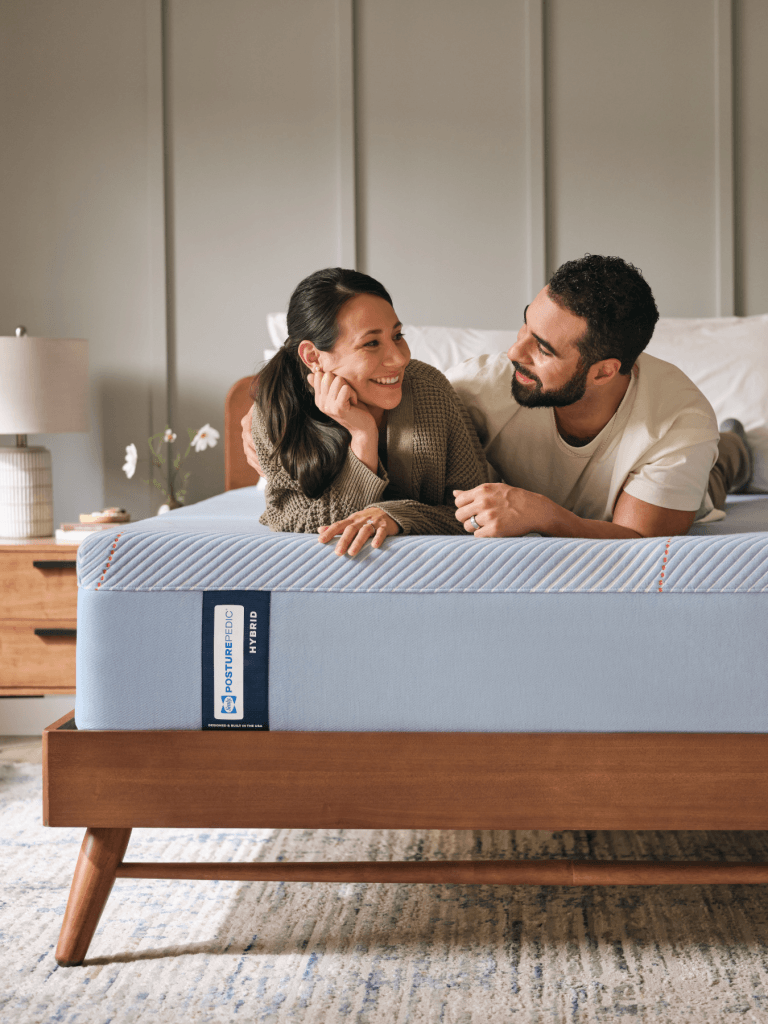
Hybrid vs Innerspring Mattress the Comparison

Key takeaways

  1. Innerspring and hybrid mattresses both use steel coils, but hybrids add thicker comfort layers for more cushioning and pressure relief.
  2. Traditional innerspring mattresses can last five to seven years, while high-quality hybrid mattresses can last seven to ten years.
  3. Hybrids often perform better for motion isolation, pressure relief, and balanced support, while innersprings tend to feel firmer, bouncier, and cooler.
  4. Innerspring mattresses usually cost less upfront, but hybrids may offer better long-term value.
  5. The better choice depends on your sleep position, comfort preferences, budget, and how long you want the mattress to last.

Choosing a new mattress takes more than a quick test in a store. Two common types are innerspring and hybrid mattresses. Both use steel coils for support, but they are built differently and can feel very different over time.

If you are comparing a hybrid mattress vs innerspring mattress, it helps to start with the basics. An innerspring mattress mainly uses coils with lighter comfort materials on top. A hybrid mattress also has coils, but it adds thicker layers of foam or other cushioning materials above them. That mix of materials is what makes it a hybrid. These design differences affect comfort, motion control, support, and how the mattress holds up over the years.

This breakdown looks at how each mattress type is made, how long each one may last, and what kind of sleeper each one may suit best. If you are deciding whether the higher cost of a hybrid is worth it or if a traditional innerspring is the better fit, understanding these key differences can help you make a more informed choice.

The differences of a hybrid and innerspring mattress

To evaluate how these mattresses perform, it is necessary to examine their anatomy layer by layer. The fundamental distinction between an innerspring and a hybrid lies in the ratio of the support core to the comfort system above it.

Innerspring mattress

Innerspring mattresses have been the industry standard for over a century. Their defining characteristic is a massive support core made of steel coils that occupies the vast majority of the bed’s profile.

These coil systems typically come in three variations:

  • Bonnell coils: Hourglass-shaped springs connected by a continuous wire framework. They are highly durable and budget-friendly but transfer significant motion across the surface.
  • Continuous coils: Forged from a single piece of wire twisted into rows, creating a rigid, highly connected support structure that prevents deep sinking but offers minimal body contouring.
  • Pocketed coils: Individually wrapped springs encased in fabric sleeves, allowing each coil to move independently. While historically found in high-end innersprings, they are now standard in hybrids.

Above the coil system, traditional innerspring beds feature a minimal comfort layer. This section is usually an inch or two of quilted cotton, wool, or lower-density polyurethane foam. Even models marketed as “pillow-top” generally rely on a thin, fibrous padding that compresses quickly under body weight. The result is a highly responsive, firm, and bouncy surface that prioritizes structural rigidity over pressure relief.

Hybrid mattress

Hybrid mattresses were engineered to merge the rigid support of an innerspring core with the substantial pressure-relieving benefits of all-foam beds. To classify as a true hybrid, a mattress must feature a minimum of two to three inches of dedicated comfort material resting over a pocketed coil system.

The hybrid architecture generally consists of:

  • A base layer: A thin layer of high-density foam at the very bottom to anchor the springs and absorb shock.
  • The support core: A robust system of pocketed coils. These coils are often zoned, meaning thicker gauge steel is placed around the perimeter for edge support and under the lumbar region for spinal alignment.
  • The transition layer: One to two inches of firmer, responsive material designed to prevent the sleeper from sinking directly against the rigid steel coils.
  • The comfort layers: Two to four inches of premium materials, typically memory foam, natural latex, or gel-infused polyfoam.

Because the comfort layers in a hybrid are substantially thicker and denser than the padding on a standard innerspring, the surface interacts with the sleeper’s body weight much differently. The top layers absorb pressure and contour to the joints, while the independent pocketed coils engage sequentially to provide deep, targeted support.

Lifespan and durability comparison

A mattress is a big investment, so understanding how the materials break down matters. Some key factors include metal fatigue versus foam oxidation and compression.

How long does an innerspring mattress last?

A traditional innerspring mattress usually lasts five to seven years with nightly use. Although its steel coil system may remain intact for much longer, the mattress typically wears out sooner because its thinner comfort layers break down.

In standard innerspring models, the limited padding absorbs most of the pressure between the sleeper and the coils below. Over time, materials such as cotton, wool, and low-density foam can compress permanently, creating body impressions. As the padding flattens, sleepers may begin to feel the coils more directly, which can lead to discomfort and poorer sleep quality.

How long does a hybrid mattress last?

A high-quality hybrid mattress typically lasts seven to ten years, depending on the density of its foam layers and the quality of its pocketed coils.

Hybrids usually last longer than traditional innersprings because their thicker comfort layers absorb more daily wear. Dense memory foam or latex helps distribute weight with the coils instead of forcing the padding to absorb all the pressure.

Over time, however, the foam can still break down. Years of body heat, moisture, and repeated pressure gradually weaken the foam’s structure, reducing its ability to spring back and increasing the risk of sagging.

Do innerspring mattresses last longer than hybrid mattresses?

In a direct lifespan comparison, hybrids consistently outlast standard innerspring models. The superior longevity of the hybrid is due to both the higher density of the comfort materials and the mechanics of the pocketed coil system, which distributes weight more evenly and prevents premature wear on any single structural point.

For consumers wondering what type of mattress has the longest lifespan overall, the answer lies in the materials. All-natural latex mattresses hold the absolute record for durability, often lasting 12 to 15 years. Consequently, a latex hybrid mattress pairing natural vulcanized rubber sap with premium steel pocketed coils represents the longest-lasting spring-based option on the market, highly resistant to both sagging and mechanical fatigue.

Head-to-head performance comparison

The architectural differences between these two mattress types dictate their performance across various sleep positions and preferences.

Pressure relief and body contouring

Side sleepers require significant pressure relief to prevent numbness in their shoulders and hips, which bear the brunt of the body’s weight in a lateral position. Hybrid mattresses excel here. The thick layers of memory foam or latex conform closely to the body’s natural curves, displacing weight evenly across the surface and eliminating high-friction pressure points.

Traditional innerspring mattresses, with their thin comfort layers and rigid connected coils, offer minimal pressure relief. Side sleepers often experience joint pain on a firm innerspring, making a hybrid or all-foam model vastly superior for this specific sleep style.

Support and alignment

Stomach sleepers and heavy back sleepers require strict spinal alignment. If the hips sink too deeply into the mattress, the lower spine is forced into a hyper-extended arch, leading to severe lower back pain over time.

For stomach sleepers, a traditional innerspring or a highly firm hybrid provides the necessary resistance. The interconnected coils of a standard innerspring mattress prevent deep sinkage, keeping the hips elevated and the spine neutral. However, high-quality hybrids with zoned support (where thicker steel coils are placed directly beneath the lumbar and pelvic regions) can offer exceptional spinal alignment while still providing superior overall comfort.

Combination sleepers (shift between back, side, and stomach throughout the night) generally benefit most from the balanced, medium-firm hybrid mattress. The pocketed coils provide enough bounce to facilitate easy movement, while the transition foam ensures they do not sink too deeply into the mattress core.

Temperature regulation and motion isolation

Hot sleepers must consider how materials interact with ambient room temperature and body heat. Traditional innerspring mattresses are exceptionally breathable. Because the core consists almost entirely of open air space between the coils, heat dissipates instantly.

Hybrid mattresses run slightly warmer because dense comfort layers, particularly memory foam, tend to trap ambient heat. To combat this, manufacturers utilize gel-infused foam, copper particles, or phase-change materials in the top layers, alongside naturally breathable pocketed coils. While modern hybrids sleep much cooler than all-foam mattresses, a traditional innerspring remains the absolute coolest option available.

Motion transfer is another critical diagnostic. If one partner tosses and turns, a traditional innerspring with continuous coils will violently transfer that kinetic energy across the entire bed. A hybrid mattress provides elite motion isolation. The combination of shock-absorbing foam layers and independent pocketed coils ensures that movement on one side of the bed is trapped at the point of impact, leaving the other partner undisturbed.

Price and long-term value

Price is an important factor when comparing hybrid vs. innerspring mattresses. Traditional innersprings usually cost less upfront, making them a practical option for budget shoppers or guest rooms. Hybrids tend to cost more because they combine thicker comfort layers with a more advanced coil system.

For many buyers, long-term value matters more than the initial price. A lower-cost innerspring may need replacement sooner if it loses support or comfort. A hybrid costs more at first, but its pressure relief, motion isolation, and durability may make it a better investment for nightly use.

Drawbacks and limitations

No single mattress architecture is flawless. Both systems carry inherent limitations that shoppers must weigh against their specific priorities.

Hybrid Mattress DrawbacksInnerspring Mattress Drawbacks
More expensive: Costs more than traditional innerspring due to coils plus thicker comfort layersPoor motion isolation: Connected coils transfer movement across the bed, disturbing partners
May still sleep warm: Better airflow than all-foam but some models retain heat despite cooling materialsLimited pressure relief: Thin comfort layers offer less cushioning for hips and shoulders
Heavier and harder to move: Foam and coil combination creates extra weight, makes setup/rotation difficultHeavier and harder to move: Bulky construction makes lifting and repositioning challenging
Possible noise over time: Coils can squeak as mattress ages, though newer designs reduce thisPotential for noise: Older or worn units develop squeaking
Faster wear over time: Comfort layers compress quickly, creating body impressions and reduced support

Long-term value and maximizing your investment

No matter which type you choose, proper care helps maximize its lifespan.

Start with the right foundation. A hybrid mattress needs a firm, supportive base, such as a platform bed or slats spaced no more than three inches apart. Putting a heavy hybrid on an old or sagging box spring can lead to early wear. Innerspring mattresses are generally more flexible and may work with standard box springs.

Next, use a waterproof mattress protector. It helps shield the mattress from moisture, sweat, and skin cells, which can break down foam over time and allow allergens to build up.

Finally, rotate the mattress regularly. Most modern hybrid and innerspring mattresses are one-sided, so they cannot be flipped, but they should still be rotated 180 degrees every three to six months. This helps distribute wear more evenly and reduce sagging in the center.

Whether a hybrid mattress is worth it over a traditional innerspring depends on what matters most to you. Hybrid mattresses often appeal to shoppers who want a balance of cushioning and support, while traditional innerspring models may be a practical fit for those who prefer a simpler feel or a lower upfront cost. In many cases, hybrids can offer stronger pressure relief and motion control, while innerspring mattresses can still meet the needs of buyers focused on basic support and value.

If you’re comparing durability, comfort, and long-term cost, it helps to weigh how each mattress type is built, how you sleep, and what you want from your investment. Ashley offers options across both categories, which can make it easier to compare support, feel, and overall value based on your specific sleep preferences.

Want to compare other mattress types? Check out our guides on hybrid mattress vs memory foam and foam vs spring mattress.

All Posts, Bedroom Ideas Published: July 31, 2026 | Updated: August 14, 2026

How To Choose A Bed Frame

Key Takeaways

  1. Proper slat spacing under three inches and center support for larger beds prevents warranty voiding and mattress damage.
  2. Platform beds eliminate box spring costs while panel beds require separate foundations increasing total expense.
  3. Storage frames maximize bedroom space by eliminating dressers but add significant weight complicating moves.
  4. Solid hardwoods last longer while engineered woods cost less but can loosen overtime.
  5. Flimsy frames can squeak and sway that disrupts sleep while solid construction reduces motion transfer.
  6. Adjustable beds can help with acid reflux and sleep apnea by raising the head but rank among the most expensive options.

Bed frames do more than hold up your mattress. They determine how well you sleep, shape your bedroom’s entire aesthetic, and impact your comfort in ways most people never consider. While shoppers fixate on mattress specs, the frame underneath quietly influences the quality of every night’s rest.

A quality mattress on a weak base won’t deliver its full benefits. Poor foundations can void mattress warranties, lead to sagging, and cause squeaks. Choosing the right bed frame means considering your space, mattress specs, preferred style, and the structural strength of the frame itself.

This guide covers all key factors before you buy including types and materials, weight capacities, and support systems, so you can select the best bed frame for your needs.

Why your bed frame matters?

Bed frames aren’t just decorative accessories. They’re fundamental components of your sleep system. Understanding what they actually do helps explain why choosing the right one matters before you start comparing specific models.

Protecting your mattress investment

Modern mattresses, especially heavy memory foam and latex types, need consistent, even support. Without a strong frame, mattresses can sag and develop permanent indentations. Most mattress warranties specify requirements such as slats no more than three inches apart or a center support leg for beds larger than a twin. Failing to meet these standards can void your warranty.

Enhancing sleep quality

A sturdy bed frame reduces movement and noise at night. In contrast, flimsy metal or poorly built wooden frames often squeak and sway, disturbing sleep. For people sharing a bed, a solid, quiet foundation limits motion transfer so one person’s movement doesn’t wake the other.

Maximizing bedroom space

Bed frames also influence room layout. Large, bulky frames like sleigh beds can make small rooms feel cramped. Minimalist platform beds help open up space, while storage beds can eliminate the need for extra furniture.

Choose what size you need

First step is measuring your bedroom before falling in love with any bed frame. A beautiful piece becomes a mistake when it prevents doors from opening fully or swallows up the entire room.

Understanding standard mattress sizes

Precise sizing matters when pairing frames with mattresses. Too much wiggle room creates shifting problems and wears down edges prematurely. These measurements clarify what each size provides and who should consider it.

Twin Size (38″ x 75″)
Twin beds work well for children, teenagers, or small guest rooms. Their narrow width usually means no center support leg is needed.

Twin XL Size (38″ x 80″)
The Twin XL adds five inches of length, suitable for taller sleepers or dorm rooms with limited width.

Full Size / Double (54″ x 75″)
A full-size bed is 16 inches wider than a twin, offering more space for solo adults. For two adults, this size is often too tight.

Queen-Size (60″ x 80″
Queen beds are the most popular and fit most main bedrooms, providing enough room for two adults. Check that your queen frame has a sturdy center support bar with a floor leg to handle the added width and weight.

King-Sized (76″ x 80″)
A king bed is as wide as two Twin XL beds side by side, offering maximum space for couples. King frames require substantial center support, usually a rail with multiple legs or a cross-grid, to prevent sagging.

California King (72″ x 84″)
A California King bed is four inches narrower and four inches longer than a standard king, designed for very tall sleepers. Use only a frame specifically labeled “California King,” as sizes are not interchangeable.

Explore the different types of bed frames

Once you know the size and available space, you can start exploring bed frame types. The frame style influences whether you need extra foundation pieces, how much storage you have, and your room’s look.

Platform bed frames

Platform beds support your mattress directly on either a solid surface or tightly spaced wooden slats. The support system is already built into the frame itself.

Pros:

  • No need for a separate box spring, saving money and lowering bed height
  • Offers a sleek, low-profile look ideal for minimalist, modern, and mid-century styles
  • Provides firm support for all mattresses, especially memory foam and hybrids

Cons:

  • Lower height may be difficult for those with mobility issues
  • Limited under-bed storage, depending on leg height

Panel bed frames

Panel beds feature a tall headboard and often a footboard, usually made with flat wooden panels. They have a few cross-slats to hold a box spring or foundation, not the mattress.

Pros:

  • Classic appearance for traditional bedrooms
  • Box spring raises mattress height for easier access

Cons:

  • Requires a separate box spring or foundation, increasing cost
  • Heavy and bulky

Storage bed frames

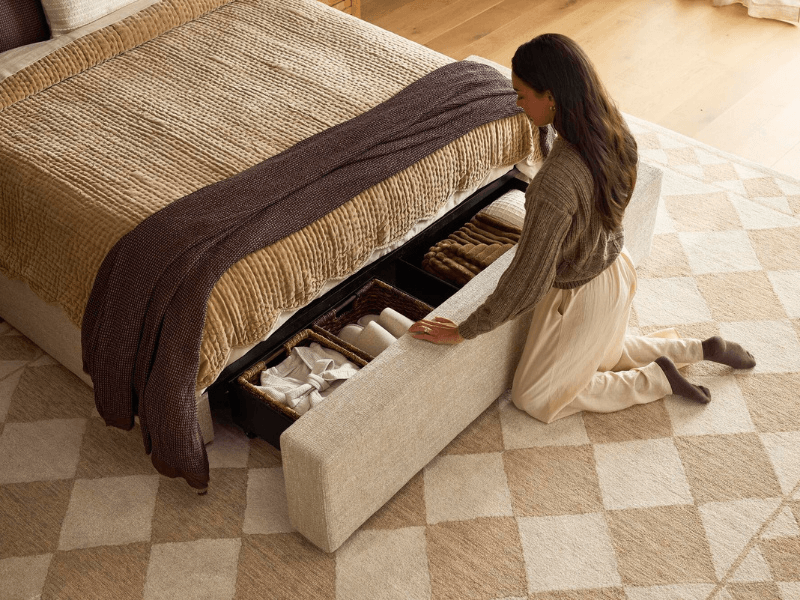
Storage beds add functional space directly beneath your mattress through built-in compartments. These pull-out drawers along the sides or foot of the bed hold bedding, clothing, shoes, and other items that would otherwise need separate furniture.

Pros:

  • Replaces the need for a large dresser, saving floor space
  • Keeps items protected from dust

Cons:

  • Very heavy and difficult to move
  • Inexpensive models may have weak drawer tracks

Upholstered bed frames

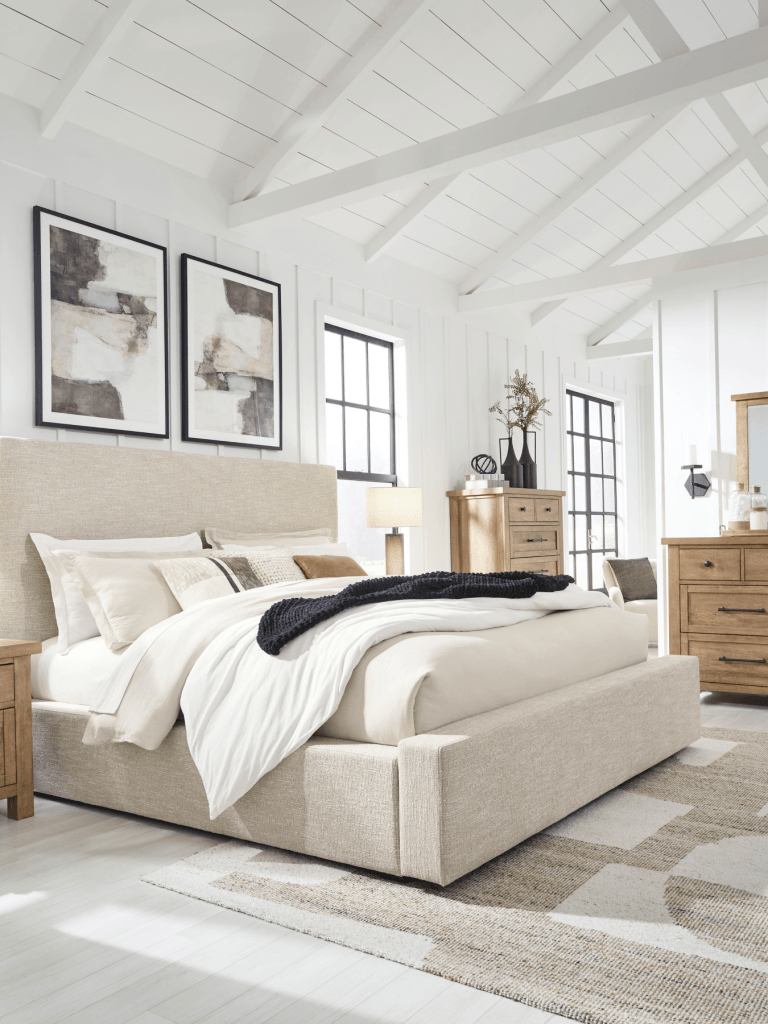
Upholstered beds take a basic wood or metal skeleton and add cushioned fabric covering. You’ll find them wrapped in everything from linen and velvet to faux leather and polyester blends.

Pros:

  • Comfortable for sitting up in bed
  • Fabric adds warmth and texture
  • Padded edges reduce injury from bumps

Cons:

  • Fabric needs upkeep; it attracts dust, pet hair, and stains
  • Pets may scratch upholstered corners

Adjustable bed frames

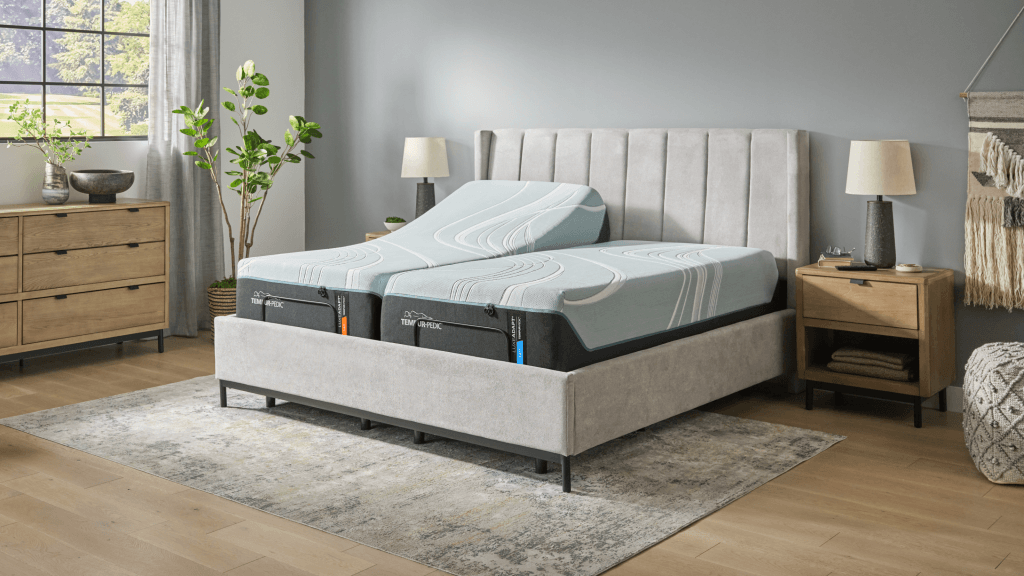
Adjustable beds use electric motors to raise and lower the head and foot portions of your bed. You control the angles electronically, positioning each section exactly where you want it.

Pros:

  • Raising the head can help with acid reflux, snoring, and sleep apnea
  • “Zero gravity” position can relieve back pressure and improves circulation
  • Good for physical recovery

Cons:

  • Among the most expensive frame options
  • Heavy and usually need professional setup

Sleigh beds

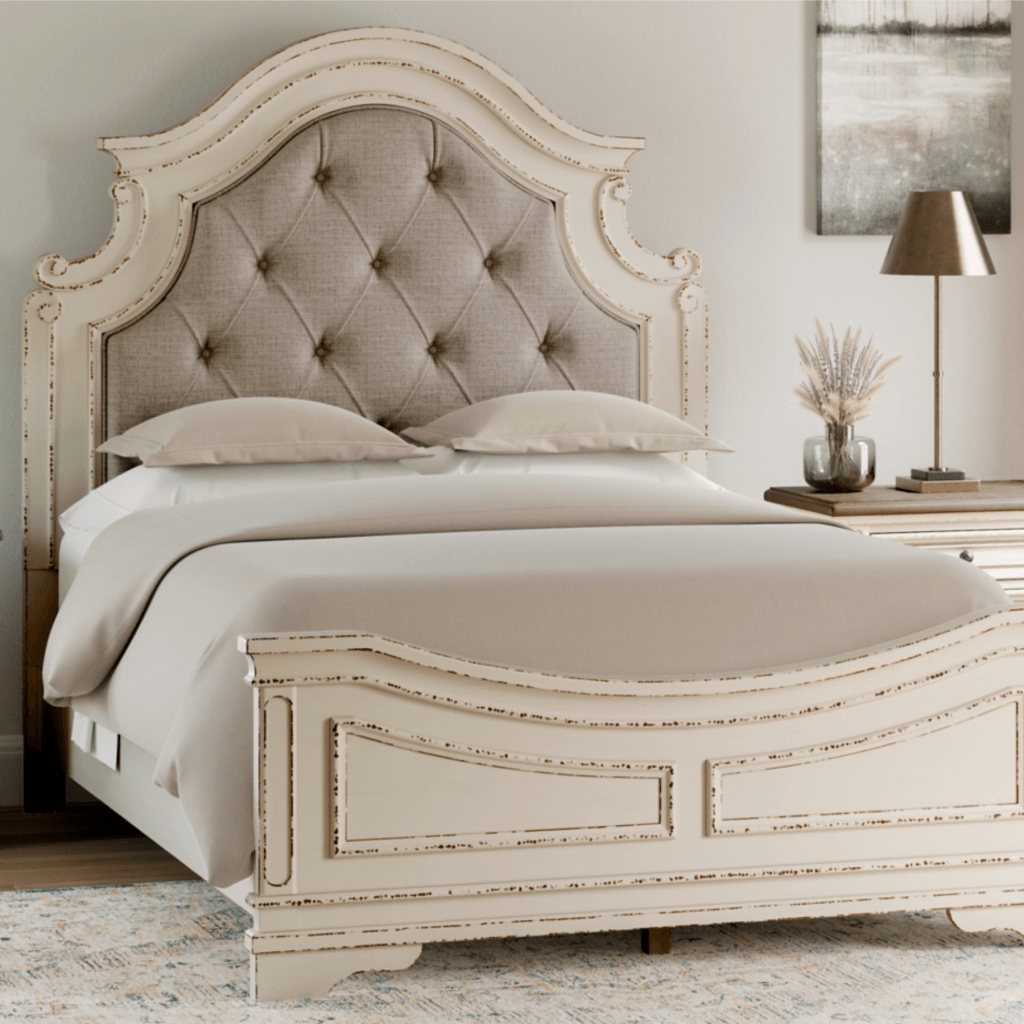
Sleigh beds stand out with their curved headboard and footboard design that echoes the lines of a classic sleigh. Usually constructed from solid wood, these frames become the focal point of any bedroom.

Pros:

  • Distinctive traditional style
  • Sturdy build

Cons:

  • Curves take up extra floor space
  • Heavy than other bed frames

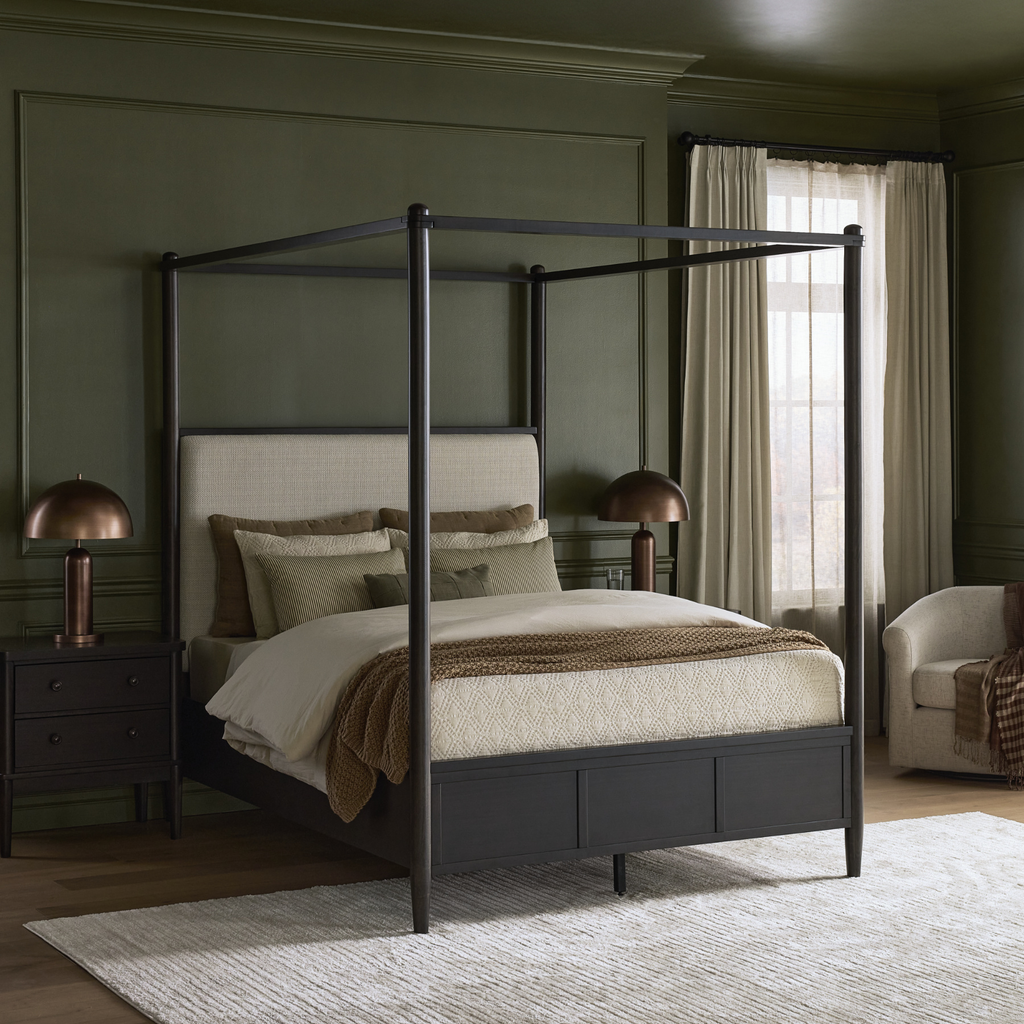
Canopy beds

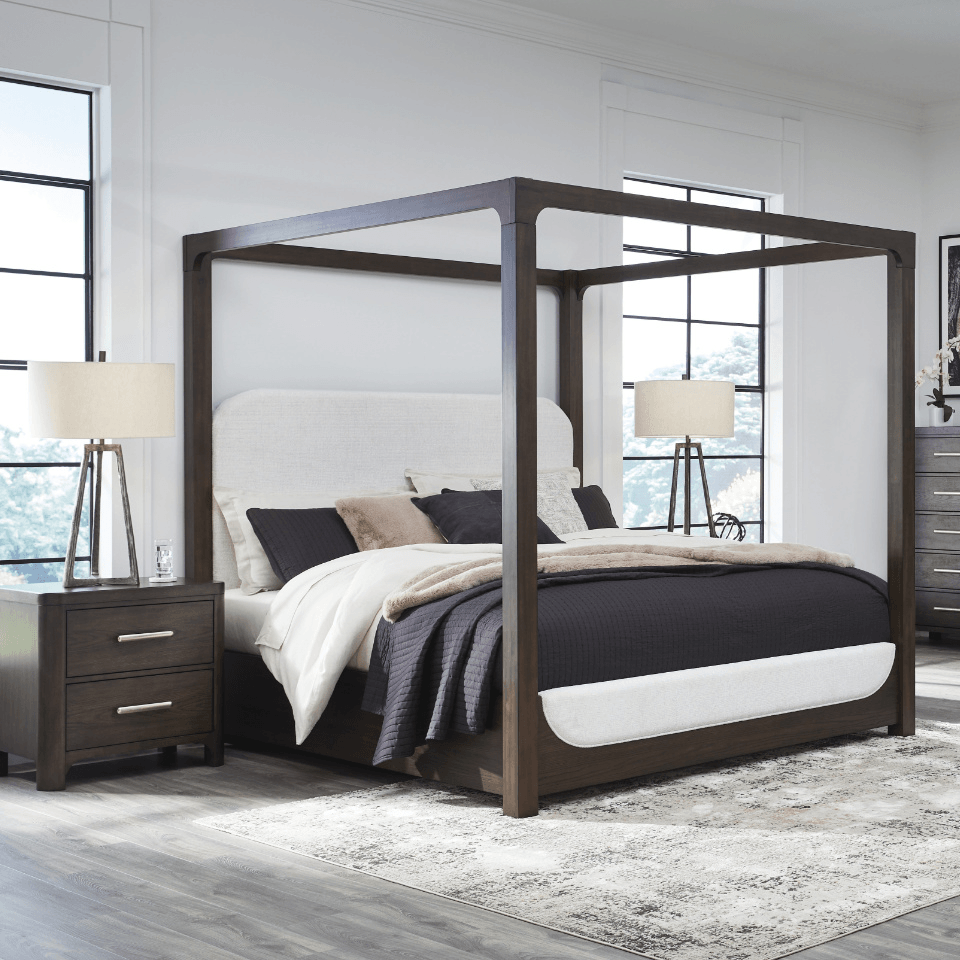
Canopy beds feature tall posts rising from each corner that connect overhead with a frame. This structure supports draped fabric you can use for privacy, warmth, or pure decorative effect.

Pros:

  • Adds drama and luxury to a bedroom
  • Drapes can help regulate temperature and block light

Cons:

  • Require high ceilings; otherwise, rooms feel cramped
  • Top rails collect dust and require regular cleaning

Metal beds

Metal beds are adjustable steel perimeters for supporting a box spring. Decorative versions use iron or steel piping.

Pros:

  • Budget-friendly
  • Easy to assemble, disassemble, and move
  • Resistant to bed bugs

Cons:

  • Basic metal frames are purely functional with little aesthetic appeal
  • Without reinforcement, metal joints can become squeaky

Select the right materials for longevity

The material of your bed frame determines its lifespan, weight, maintenance needs, and appearance. Knowing the difference between high-quality and budget materials helps you choose a sturdy bed frame.

Wooden bed frame

Solid wood bed frames stands as the classic furniture standard. These frames rely on genuine lumber, not engineered alternatives or composite materials.

Hardwoods vs. softwoods:

  • Hardwoods like oak, maple, walnut, mahogany, and cherry are dense, durable, and resist scratches. A well-made hardwood frame can last decades, though it’s heavier and more expensive.
  • Softwoods such as pine, cedar, and spruce are less costly and grow quickly but are more prone to dents and scratches. Pine is common in rustic styles or budget frames.

Check the finish for quality, oils, stains, or clear varnishes highlight grain, while heavy paints cover it.

Manufactured wood (MDF and particle board)

Engineered wood appears in most budget-friendly bed frames. These composite materials use wood particles, fibers, or layers bonded with adhesives. They’re lighter and cheaper than solid wood but less durable over time.

  • Medium-density fiberboard (MDF): Made from compressed wood fibers and resin, MDF is dense, heavy, and smooth suitable for painting or veneer.
  • Particle board: Composed of wood chips and sawdust, it’s lighter and less durable than MDF.

MDF and particle board frames cost less and offer uniformity but lack durability. Hardware can loosen easily, especially if disassembled multiple times. Moisture will cause swelling and warping. These frames are not ideal for frequent moves.

Metal bed frame

Metal bed frames vary widely, using everything from light alloy materials to durable steel and iron.

  • Steel frames: High-quality steel frames provide excellent strength. Powder coating helps resist rust and scratches. Lower gauge means thicker, stronger steel.
  • Wrought iron: Used in vintage or farmhouse styles, iron frames are very heavy and extremely sturdy.

To minimize squeaks, look for frames with rubber or plastic gaskets at joints and robust bolts for stability.

Upholstered bed frame

Upholstered bed frames perform differently depending on the fabric used. Material selection directly impacts both longevity and the cleaning effort required to maintain appearance.

  • Linen blends: Breathable and natural but may wrinkle and stain.
  • Velvet: Soft, vivid, and durable (with performance velvet), though it attracts pet hair.
  • Faux leather / polyurethane (PU): Easy to clean and allergy-friendly, but lower-quality versions may crack.
  • Genuine leather: Durable, ages well, and considered premium, but comes at a higher cost.

Best-selling bed frames

he most popular Ashley bed frames stand out for their balance of aesthetic appeal, solid construction, and competitive pricing. Their individual characteristics reveal why customers choose them.

Ashley best-selling beds:

  • Kristiland King Upholstered Storage Bed: The Kristiland king storage bed features neutral upholstery, sturdy wood construction, a discreet footboard drawer, easy assembly, and no foundation needed, ideal for stylish storage and versatile bedroom fit.
  • Cabalynn King Upholstered Bed: The Cabalynn king bed combines modern lodge and farmhouse style, upholstered for comfort with a supportive, tapered headboard and practical loose pillows—ideal for relaxing, reading, or watching TV.
  • Starmore Queen Panel Bed: The Starmore queen panel bed features acacia wood, an oiled walnut finish, and open plank headboard design, ideal for contemporary spaces; requires box spring and assembly, adjustable base compatible.
  • Isanti Queen Panel Bed: Platform bed made from mango wood features a clean-lined, low-profile design, light finish, no box spring needed, adjustable base compatibility, and 35-minute assembly, well-suited for achieving a natural appearance while maximizing bedroom space.
  • Takston King Panel Bed: Takston king panel bed features a sunburst-paneled headboard, hardwood solids with acacia veneer, a light glazed brown finish, quick assembly, and requires a separate foundation and mattress. Key factors: style, materials, easy setup.
  • Breckington King Next-Gen Nuvella™ Performance Fabric Canopy Bed: The Breckington king canopy bed features durable hardwood, easy-clean Next-Gen Nuvella™ upholstery, and a stylish modern design which requires box spring, mattress, assembly, and ample ceiling clearance. Key: strength, fabric, fit.
  • Whittgate Queen Next-Gen Nuvella™ Performance Fabric Bed: Whittgate queen bed features easy-care, durable Next-Gen Nuvella™ upholstery, sturdy construction, and modern design. Includes headboard, footboard, rails; mattress and foundation sold separately; simple assembly.
  • Nashburg Queen Metal Bed: The Nashburg queen metal bed features a sturdy steel frame, farmhouse-inspired matte black finish, and moulded details. Key features: includes headboard/footboard/rails, adjustable base compatible, assembly required.
  • Hennington King Upholstered Bed: Hennington king upholstered panel bed combines modern, affordable design with cushioned, upholstered rails, textural bisque wood, and plinth base. Includes assembly; foundation and mattress sold separately.

Ashley trending beds: 

  • Jesstean King Next-Gen Nuvella™ Performance Fabric Bed: King bed with plush tufting, easy-clean stain-resistant fabric, sturdy engineered wood frame, strong slat support, includes headboard and rails; foundation and mattress sold separately. Assembly required.
  • Takston Queen Panel Bed: Takston queen bed features sunburst veneer panels, hardwood/acacia construction, light glazed finish, and requires a foundation. Key factors: natural materials, modern boho design, easy assembly, stylish statement.
  • Dolante King Upholstered Bed with Square Button Tufting: King platform bed with soft, tufted beige upholstery. Includes headboard, footboard, and rails. Engineered wood frame. Fits adjustable bases. Easy assembly, box spring required. Ideal for modern bedrooms.

Evaluate the support system (slats vs. solid base vs. box spring)

How the bed frame supports the mattress is crucial. The support system affects mattress comfort, breathability, and durability.

Wooden slats

Slats are horizontal planks, usually wood, sometimes metal, forming the base of platform beds.

Solid vs. sprung slats:

  • Solid slats: Made from firm woods like pine or birch, these offer stable support—ideal for memory foam or heavy latex mattresses.
  • Sprung (flexible) slats: Curved, laminated wood that flexes under weight, adding bounce and cushioning. Common in European beds, they’re best with lighter innerspring or hybrid mattresses.

Keep slats within 2.75 to 3 inches of each other when using memory foam, latex, or hybrid mattresses. Spacing them farther apart creates sagging issues, risks mattress damage, and allows unwanted movement across the frame.

Solid base foundations

Instead of slats, some platform beds feature a solid foundation built from wood panels or MDF sheeting.

Pros:

  • Consistent support across entire surface
  • Eliminates gaps that cause sagging
  • No slat movement or squeaking

Cons:

  • Poor ventilation
  • Increases frame weight significantly

Box springs

Box springs are fabric-wrapped wooden frames placed under the mattress to raise bed height and offer additional support where frames lack it.

Pros:

  • Raises mattress higher
  • Provides support when frames lack it

Cons:

  • Redundant with quality bed frames
  • Most mattresses perform better without them
  • No longer contain springs, just basic wooden frames

Bed frame styles and design

While structural integrity is paramount, your bed frame is likely the largest piece of furniture in the room. It sets the entire aesthetic tone.

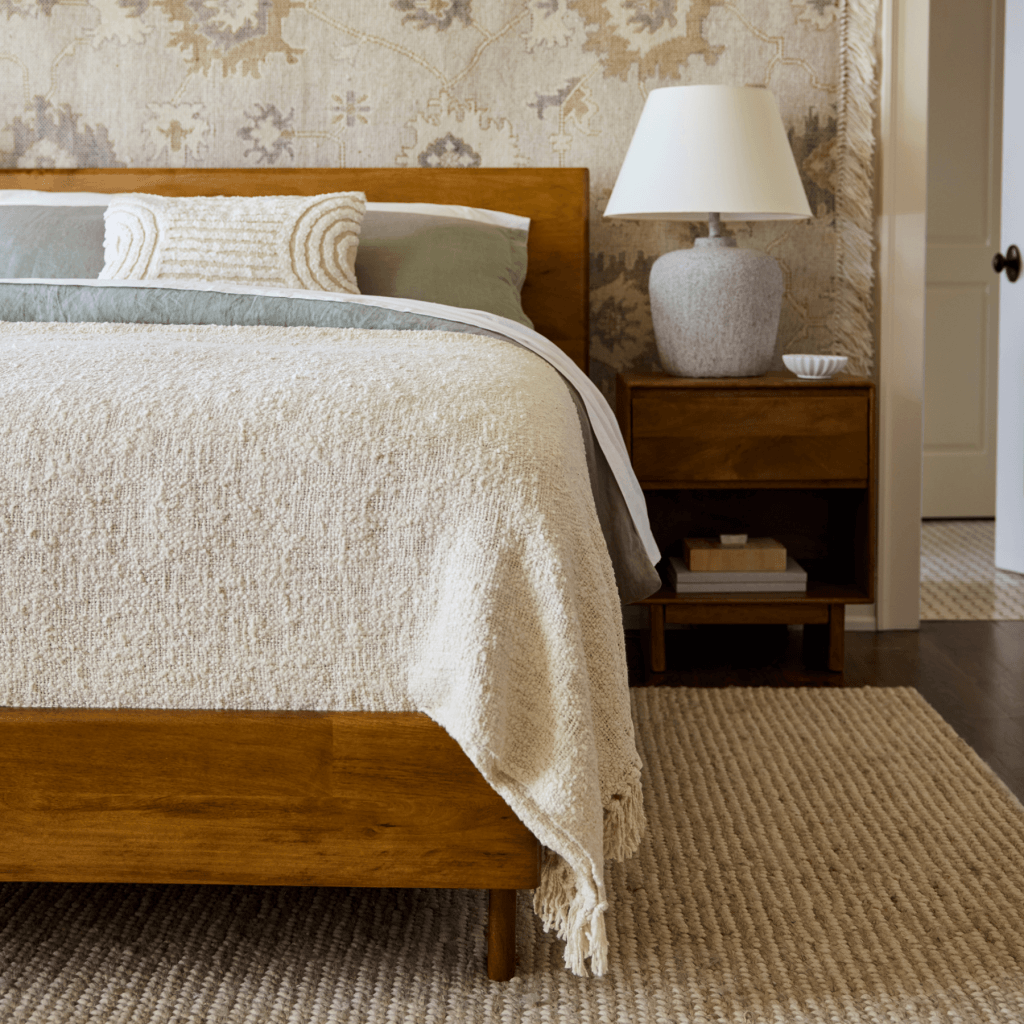
  • Mid-Century Modern: Characterized by clean lines, warm woods (like walnut or teak), and tapered, angled legs. Mid-century frames are almost exclusively low-profile platform beds. They pair beautifully with uncluttered, airy bedroom designs.
  • Traditional and Rustic: Characterized by heavy, substantial wood framing, prominent headboards, and decorative molding. Sleigh beds, four-posters, and panel beds fit this category. They require larger rooms to avoid looking overwhelming and pair well with warm lighting and plush, layered bedding.
  • Industrial: Characterized by raw materials, specifically matte black metal pipes, distressed wood accents, and exposed hardware. These frames are typically very sturdy, budget-friendly, and perfect for loft-style apartments or modern masculine decor.
  • Minimalist / scandinavian: Focuses on absolute simplicity. Light-colored woods (like ash or birch), extremely low profiles, and an absence of headboards or decorative elements. The focus is entirely on function and creating a calming, zen-like environment.

The frame matters as much as the mattress

Don’t let the bed frame be an afterthought in your bedroom refresh. Take accurate measurements, choose sturdy construction, make sure slats are positioned correctly for your mattress type, and confirm center support is there. Pay attention to weight capacity and hardware quality. Get this foundation piece right and it pays off in stability and silence for the long haul.

All Posts Published: July 1, 2026 | Updated: August 14, 2026

Best Small Sectional Sofas for Apartments

Best Small Sectional Sofas for Apartments

Key Takeaways

  1. Apartment-sized sectionals measure 78 to 90 inches wide while compact models at 74 inches function like loveseats.
  2. Standard seat depth of 34 to 36 inches saves floor space compared to deep sectionals at 38 to 40 inches.
  3. Placing sectional backs toward kitchens defines living zones in open-concept apartments without adding walls or partitions.
  4. Reversible chaise sectionals switch sides adapting to different layouts ideal for renters who move frequently.
  5. Maintaining 30 to 36 inches of walking space at chaise ends prevents blocking passage to other apartment areas.

Finding the right furniture for a compact living area presents a unique set of challenges. When working with limited square footage, every single piece must earn its footprint. A common misconception in interior design is that diminutive rooms require miniature furniture. In reality, filling a tight room with multiple tiny chairs and loveseats often creates visual clutter, making the area feel even more cramped. Instead, focusing the room with one substantial, well-proportioned seating element can streamline the aesthetic and maximize seating capacity. This is exactly where the small sectional sofa becomes an invaluable asset for apartment dwellers.

Choosing the best small sectional sofas for apartments involves balancing structural dimensions, functional features, and visual weight. Once the right model is selected, mastering how to arrange a sectional sofa in a small room determines whether the final result feels restrictive or exceptionally comfortable. This guide explains the essential steps: how to measure your room for a sectional, what structural options are best for smaller spaces, and actionable strategies for arranging and styling your sofa.

Why choose a sectional sofa for a small apartment?

Although it may seem unexpected, sectional sofas are highly efficient as small space furniture and dorm room furniture. Traditional setups with a three-seater sofa and accent chairs require wide walkways, often wasting floor space. Sectionals connect all seating, using corner areas that usually go unused and fitting more people within a compact footprint.

Modern small sectionals are designed for tight halls, narrow doors, and limited space. Many modular options break down into smaller pieces, making them easy to move through elevators or stairs.

In open-concept spaces or studios, sectionals also help define zones. An L-shape or chaise can separate the living area from the kitchen or bedroom, creating distinct spaces without adding walls.

What are the key features to look for in small sectional sofas?

Not all sectionals are sized for small spaces, and buying one labeled “apartment-sized” can still result in poor fit. Evaluating both the structural and functional details helps ensure the sofa will suit compact living areas.

Understanding proportions and dimensions

Width and depth are crucial when selecting a sectional for a small room. Standard sectionals often exceed 100 inches wide, crowding most apartments. A true apartment-sized sectional typically measures 78–90 inches in width, with chaise lengths of 55–65 inches.

Many renters wonder if an 80-inch sofa is too small. In reality, an 80-inch sectional is ideal for most one-bedroom apartments, seating three adults comfortably and leaving room for side tables or lamps. The smallest sectional sofas, about 74 inches wide, function more like a loveseat with an extended chaise.

Seat depth and visual weight

Seat depth impacts both comfort and space usage. Deep-sectionals (38–40 inches deep) provide plush comfort but take up valuable floor area. For narrow rooms, opt for a standard seat depth of 34–36 inches.

Visual weight matters as much as size. Sectionals with legs appear lighter and help rooms look more open, as light can pass underneath. Frames that sit directly on the floor look heavier and more imposing. Lower backrests and slim arms also minimize the visual bulk compared to high, overstuffed styles.

Configuration types

Sectional orientation shapes room layout.

  • Left-Facing vs. Right-Facing: This refers to which side the chaise is on when you face the sofa. The wrong orientation can block pathways or doors.
  • Reversible Chaise: Ideal for renters, this style uses a movable ottoman and cushion that can switch sides to adapt to different layouts.
  • Modular Sectional: Made of individual units, modular sectionals can start small and expand with extra pieces to fit a bigger space if needed.
  • L-Shaped vs. U-Shaped: L-shaped sectionals fit apartments best. U-shaped designs offer more seating but need much more space to avoid blocking movement.

Multi-functional capabilities

In small apartments, furniture should serve multiple purposes. Look for sectionals with storage chaises, these offer hidden compartments for blankets or off-season items. Sleeper sectionals with pull-out mattresses allow your living room to double as a guest room.

How to arrange a sectional sofa in a small room?

Learning how to arrange sectional sofa in small living room layouts requires a methodical approach. Depending on the room’s architectural quirks, one of the following layout strategies will typically yield the best results.

Strategy 1: The corner hug

The most traditional placement for an L-shaped sectional in a small room is nestled directly into a corner.

  • The execution: Place the longest side of the sectional against the longest wall. The shorter side or the chaise runs along the adjoining wall.
  • The benefit: This maximizes the open floor space in the center of the room. It is highly effective in square rooms where placing furniture in the middle would block walking paths.
  • The modification: Do not jam the frame directly into the baseboards. Leave a two-to-three-inch gap between the sofa back and the wall. This tiny allowance prevents scuffing and creates a subtle shadow line that enhances the perception of space.

Strategy 2: The room divider

In modern open-plan apartments, there are often no distinct boundaries between the kitchen, dining, and living areas.

  • The execution: Place the back of the sectional so that it faces the kitchen or dining area. The seating area faces the focal point (a window, television, or fireplace). The chaise can run along a wall or float parallel to the back of the sofa.
  • The benefit: The back of the sofa effectively acts as a half-wall, clearly defining the living room boundary. This structural cue tells the brain where one functional zone ends and another begins.
  • The consideration: When using a sofa as a room divider, ensure the back profile is aesthetically pleasing. Low-profile backs work best here, as they do not obstruct the line of sight across the entire apartment, preserving the open-concept feel.

Strategy 3: Floating the chaise

When dealing with a long, narrow room, corner placements can emphasize the awkward, tunnel-like dimensions.

  • The execution: Place the main body of the sofa against the longest wall. Allow the chaise to extend directly out into the room, effectively cutting across the narrow space.
  • The benefit: The protruding chaise breaks up the long visual line of the room, making it feel wider and more proportionate.
  • The rule of clearance: You must maintain a minimum of 30 to 36 inches of clear walking space at the end of the chaise. If the chaise extends so far that it blocks passage to the rest of the apartment, the sofa is too deep for the room.

Where to buy a small sectional sofa?

If you’re searching for where to buy a small sectional sofa, Ashley is a leading destination, offering a wide selection of compact sectionals perfectly suited for apartments and small living spaces.

When choosing a small sectional, look for dimensions that fit your floor plan and prioritize features like modular pieces or storage options. Always check product listings for clear measurements, fabric choices, and delivery options. For apartment dwellers or anyone with limited square footage, shopping online at Ashley allows you to filter by size, style, and budget, making it easy to find a sectional that meets both comfort and space requirements. Additionally, visiting an Ashley store can help you evaluate quality and test comfort before buying.

To ensure your small space furniture fits and functions well in your space, measure your room carefully and review layout guides offered by Ashley. This approach helps avoid overcrowding and ensures your new seating becomes a practical, stylish centerpiece for your home.

Executing the final room arrangement

Once the sectional is positioned, arranging the supporting furniture is necessary to finalize the space.

Ground with an appropriately sized rug: A common error in small apartments is buying a rug that is too small. A 5×7 rug floating in front of a sectional looks like a postage stamp and visually fragments the floor space. Instead, use an 8×10 or larger rug. The front legs of the entire sectional, including the chaise, should rest securely on the rug. This unifies the seating arrangement into one cohesive unit.

Select a strategic coffee table: Heavy, solid wood, block-style coffee tables add unnecessary visual weight. For a small sectional setup, choose a round or oval coffee table. The lack of sharp corners makes it easier to navigate around the tight angles of an L-shape or chaise. Alternatively, nesting tables or a clear acrylic “waterfall” table provide functional surface area while remaining practically invisible to the eye.

Utilize vertical space for lighting: Floor lamps require valuable floor space. Instead, utilize wall-mounted sconces with plug-in cords (perfect for renters who cannot hardwire fixtures) or a dramatic overhead arc lamp placed behind the sectional. This frees up the space at the ends of the sofa for small, narrow side tables or decorative indoor plants.

What is the best small sectional sofa for your apartment?

Selecting the best small sectional sofas for apartments requires careful attention to dimension, modularity, and visual weight. By prioritizing compact width, manageable seat depths, and multi-functional designs like reversible chaises or hidden storage, apartment renters can secure ample, comfortable seating without overwhelming their floor plan. Once the ideal piece is sourced, applying strict spatial rules such as the 2/3 ratio, floating the frame to avoid the “dance floor” effect, and using the sofa to define open-concept zones ensures the living room remains highly functional, easy to navigate, and aesthetically balanced.

All Posts, Home Decor & Furniture, Living Room Ideas Published: December 19, 2024 | Updated: December 20, 2024

What Is Modular Furniture?

A home bursting with style and personality all starts at Ashley. Modular furniture can take your creativity to the next level. With modules that can be combined in different ways or used separately, this modern solution provides countless opportunities to personalize your look.

From modular leather furniture to modular furniture for small spaces, these iconic pieces deliver stylish options and functionality. Searching for ways to customize your home? Keep reading to learn more about modular furniture and how to create a look that’s truly yours.

Benefits of Modular Furniture

Whether you’re strapped for space or seeking new ways to amp up your home, modular furniture is the answer! A modular furniture system boasts many benefits, with unlimited possibilities to curate your ideal aesthetic. Check out the top advantages of modular furniture:

  • Highly customizable: With separate pieces, you can rearrange, combine, remove, or add units for the perfect look. You can effortlessly organize your space to fit your lifestyle and preferences.
  • Aesthetically pleasing: Modular furniture is available in myriad colors, designs, sizes, and more. From coastal to modern farmhouse, modular furniture brings a timeless look to any interior design style.
  • Maximizes space: Modular furniture allows you to use every corner of your room. Can’t fit a traditional sectional in your living room? Modular sectional furniture offers the flexibility to choose a layout that works for you.
  • Versatile: Most modular units are lightweight, making them easy to move around and configure based on your needs.
  • Cost-effective: Better utilizing your space means reducing the need to buy more furniture to fill unused areas or gaps.
  • Easy to assemble: With pre-configured parts, lightweight units, and minimum tool requirements, installing modular furniture is a breeze.

Types of Modular Sectionals

You’ll typically come across modular living room furniture with various numbers of pieces, from two up to 10 or more. Several modular sectionals with different styles, configurations, and features are available. That said, incorporating a modular furniture system can transform any living room into a personalized, cozy haven. From our top-rated Next-Gen Nuvella™ performance fabric to sleek, modular leather furniture, curate a standout living space that speaks to you. Here are some common types of modular sectionals at Ashley to revamp any space:

Modmax Collection at Ashley

We’re always here to simplify your design efforts. That’s why we make modular easy with our signature Modmax Collection. Whether you’re making a standalone statement or searching for a striking sectional, our Modmax Collection will surely deliver.

Crafted with our exclusive Next-Gen Nuvella™ performance fabric, this line provides unmatchable comfort, durability, and stain resistance. Enjoy the beauty of personalization harmoniously blended with low-maintenance lounging. Modmax pieces feature four unique colorways, including oyster, spice, ink, and granite. From two-piece loveseats to eight-piece sectionals, discover the perfect fit for your home.

With estimated assembly times ranging from 10 to 30 minutes, you can effortlessly revamp your space. Some Modmax pieces boast impressive features like pull-out storage drawers to hold your remotes, magazines, or anything else you desire. You’ll also find consoles with removable plexiglass covers, the perfect spot to rest a beverage or display some eye-catching decor.

Modular Living Room Furniture for the Ultimate Comfort Zone

Incorporating modular living room furniture can level up your space. While modular furniture is perfect for any home, considering your preferred layout and style preferences is a great place to start. You can enjoy a personalized layout that enhances comfort, optimizes space, and boasts individuality. With the ability to mix and match components, you can curate a truly unique arrangement that adapts to your lifestyle and needs.

Whether you’re searching for a timeless look or a trendy aesthetic, you’ll find it at Ashley. Check out some of our other signature modular sectional collections:

  • Sophie: This standout collection delivers a harmonious blend of coziness and character. The soft velvet upholstery provides a cushy, inviting spot to kick back and relax.
  • Elissa Court: Ideal for busy households, this collection features our tough, stylish Next-Gen Nuvella™ fabric.
  • Lindyn: Featuring true statement pieces, the Lindyn collection adds a touch of contemporary elegance with plush cord upholstery and neutral hues, like fog and ivory.
  • Regent Park: Velvety softness complemented by a refined chevron pattern makes this collection every contemporary lover’s dream.
  • Emilia: With a leather and faux leather blend, this collection is the perfect addition to any urban oasis.
  • Tanavi: This ultra-sleek, ultra-soft collection offers a versatile aesthetic, spanning multiple interior design styles.
  • Lyndeboro: Inspired by the polished look of tailored menswear, this collection embodies a contemporary minimalist aesthetic.
  • Avaliyah: With cozy, sink-in seats and bullnose “waterfall” cushions, this collection is essential for winding down in comfort.

Small Living Space Modular Furniture

Smaller spaces can be trickier to design. With restricted layouts come limited room for furniture and challenges balancing aesthetics and functionality. But not with small living space modular furniture! One of the greatest advantages of choosing modular furniture is that it’s small space friendly.

Modular furniture for small spaces ensures you can create your desired look while minimizing proportional challenges. Let’s take our two-piecemodular options, for example. The sleek, armless designs provide the flexibility to fit where a traditional loveseat might not. You can also use each piece separately as an accent chair. The versatility of modular furniture for small spaces simplifies curating a stylish, welcoming atmosphere.

Multiple configuration options allow you to easily rearrange or expand. As your needs and space evolve, you’ll have long-lasting functionality and design freedom. Whether it’s an apartment, a cozy studio, or a compact living room, modular furniture maximizes space while keeping things stylish.

Find All Your Modular Furniture Needs at Ashley!

You can transform your space into a reflection of your personality with furniture that grows and adapts alongside your lifestyle. Whether you’re ready for a home makeover or searching for show-stopping pieces, you’ll find it at Ashley. Our vast collection of chic modular pieces offers the ideal solution for any space. Design a home that radiates individuality with our Ashley modular sectionals, sofas, loveseats, and more.

All Posts Published: December 2, 2024 | Updated: December 23, 2024

Tufted Furniture

Not all of today’s trendy furniture features a unique new design. Some of the most distinctive pieces available from Ashley connect to the past through styles that hearken back to previous centuries. Our top-selling tufted furniture designs are a great example of this demand for a classic look. If you’re not sure if tufting is right for your home decor, consider whether you need a hint of elegance and comfort all in one package. Tufted furniture pieces like beds, couches, and ottomans can do all of that and more when added to the room.

What Is Tufted Furniture?

Not all stuffed or soft upholstered furniture is considered tufting. This style originated as a way to anchor down the stuffing and increase the durability of the padding, but it also adds a distinctive look to the surface that many people enjoy. Tufted furniture features the use of stitches, buttons, or other devices to anchor certain points down through the stuffing. This creates a pattern of raised sections between the stitches or buttons. It’s an elegant look that many people choose to accent their traditional style decor. While there is a long history behind tufted furniture pieces, there are also plenty of modern takes on the style as well.

The History of This Furniture Style

This technique began in the early Victorian era in England as a way of ensuring padding and stuffing stayed in place. While the use of modern foams eliminated the need for stitching and tufting on a practical level, the practice of using buttons to add visual appeal to a tufted bed or couch continues today.

What Are the Benefits of a Tufted Couch?

Putting a tufted sectional in your living room could bring a number of benefits to the space. First, tufted furniture is durable and long-lasting. The padding resists compression and can be reupholstered in most cases to extend the life of a couch or sofa. Second, it’s a cozy and welcoming surface that nonetheless has an elegant look. You get the best of both worlds in one package. Third, there are tufted furniture designs to fit every home decor style. Modern fabrics and patterns brighten up the classic look of diamond-patterned buttons.

Styling Tips for the Tufted Sofa

Styling your modern tufted furniture is the best way to give it a personal touch and help it blend in with the rest of your decor. Try adding these elements to your new tufted sofa.

  • Find throw pillows with textures and colors that contrast with the upholstery on the sofa. For example, leather tufted sofas in rich caramel brown pair great with extra soft faux fur or looped fabrics.
  • Turn to vintage prints, patterns with history behind them, and nostalgic color combinations. This hints at the rich history behind most tufting designs.
  • Don’t forget that the side tables and lamps you flank the tufted sofa with also contribute to its appearance. Mid-century designs can pair well with these seating options, as can Edwardian and Queen Anne inspired pieces.

Is Tufted Furniture in Style?

As with most furniture styles with a few centuries of history behind them, many homeowners are concerned that tufted bedroom furniture is not trending. Yet this kind of classic elegance doesn’t really go out of style like other pieces can. It’s easy to dress up tufted sofas and chairs in ways that fit with practically any modern decor trend. Just change up the pillows and throws you pair with the couch if trends change and you want something new.

Choosing a Complete Tufted Furniture Set

A single piece of tufted furniture can make a big impact in a room. But if you’re really dedicated to this style, consider an entire matching tufted bedroom furniture set. You get a unified look that ties the space together without having to find individual pieces that match. In addition to a tufted headboard and footboard, you’ll likely see these bedroom sets including tufted chairs, benches, and even storage ottomans. One of the handy tufted ottomans furniture stores carry can help you kick back and relax at the end of the day.

Other Must-Have Tufted Furniture

The tufting style can be found on almost all upholstered pieces of furniture. You’ll find plenty of sofas, loveseats, and couches featuring this kind of work on the seats and back panel, along with matching armchairs and wing-back chairs. Even dining chairs can feature tufting for both aesthetic and comfort purposes. You’ll find a tufted bench to outfit your front hall and a tufted ottoman for resting your feet among our collection. Barstools offer an iconic mid-century look with a leather upholstery finished with button tufting. It’s even an option for adding details to some side tables and consoles.

How to Clean Tufted Furniture

Thanks to the depth of the dips created by the buttons or stitches, you’ll need a strong vacuum hose with a brush attachment to clean your sofas and couches. Pay attention to the material used for the upholstery. Leather needs cleaning and oiling on a regular basis, while velvet benefits from brushing along with routine vacuuming. For your tufted bed furniture, consider using an upholstery cleaning spray or powder at least twice a year to remove oils from your body and bed linens that can build up. These cleaning products are easily wiped off or vacuumed up.

Are Tufted Couches Comfortable?

Tufted couches are usually favored for aesthetic reasons rather than strictly questions of comfort. However, many people find that the textured surface and extra padding provided by these seating options are more comfortable than flat surfaces. The ripples and dips help encourage circulation when you’re sitting for hours while enjoying a movie marathon, reducing the discomfort that can occur. Velvet materials make these couches even more comfortable, as does extra plush padding to provide a cloud-like appearance and feel.

Ashley has plenty of tufted furniture to choose from, including couches, headboards, and more. Explore our selection of cozy and welcoming furnishings to make your home your sanctuary. Every room can feature the elegance and style you want while also providing a comfortable environment for relaxation with the right decor.

All Posts, Entertaining, Ideas & Trends, Seasonal, Winter Inspiration Published: December 2, 2024 | Updated: December 20, 2024

How to Make a Bedroom Cozy for Winter

Cold winters create the perfect opportunities for snuggling up in a cozy bedroom. Creating a winter retreat in your own bedroom space doesn’t have to require a major overhaul of the entire decor. A few updates here and there can transform the room, no matter your budget. Deciding how to make a bedroom cozy is as simple as considering your personal tastes and the level of cold you have to deal with over the winter. Some cozy details are practical for keeping you warm, while others are more focused on providing the comforting aesthetic that goes along with it.

Choose Luxurious and Extra Soft Bedding

Soft bedding is a staple of cozy bedrooms, whether you’re a devotee of the Danish concept of hygge or just want to have a comforting sleeping experience. Brushed flannel bedding is a classic choice. It’ll keep you warm and adds an unbeatable fuzziness against the skin. Extra-stretchy bedding keeps you from getting too warm if you have plenty of heat coming into the bedroom while still giving you that cozy feeling. Silky Tencel sheets also work well for this purpose, keeping you warm and cozy while wicking away moisture for comfort.

Wrap Up With Warm Blankets That Have Cozy Appeal

Once you have the perfect sheets on the bed, it’s time to top the mattress with the right quilts and coverlets. Warm and fluffy blankets help you build the cozy bedroom aesthetic you desire, especially if you choose color schemes based around warm beige, cool gray, and classic snowy white. You can’t go wrong with botanical or plaid patterns for your comforter sets as well. Look for down or down-alternative comforters for a comforting sense of weight and warmth that is perfect for winter bedtimes. You’ll want soft and fuzzy materials here as well, and brushed microfiber is a great fabric for comforters that really live up to their name.

Warm Your Feet With Footstools, Rugs, and More

Go beyond just your bed when planning your cozy bedroom decor this winter. It’s a little unpleasant to step out of a warm and soft bed only to feel your bare feet freezing on cold flooring. Rugs help you create a softer and warmer transition while adding plenty of cozy styles. If you routinely sit back on a loveseat or armchair while relaxing in your sanctuary, consider adding a plush footstool to get your feet up and off the floor. Not only will it give you a relaxing way to lean back and unwind, but it’ll also keep you warmer with no effort at all.

Celebrate the Holiday Spirit With Cuddly Throws

Comforters and quilts are great for bedtime, but sometimes, you just need something to curl up with during the middle of the day. Some of the best cozy bedroom ideas that you can accomplish on a budget are built around fleece or faux fur throw blankets. Chunky knits are a great choice. These throws belong not just on your bed, but on your living room or family room couch as well. Let these soft and cozy details add to your holiday decorating efforts by choosing Christmas pillows and throws, or stick to a neutral winter style if that’s more to your taste.

Plump Up Your Comfortable Seating Options With Poufs and Pillows

Pillows play a big role in creating a comforting environment all year round. They’re especially important in the winter. Consider swapping your cooling vented pillows for shredded or solid foam alternatives that add to the warmth of the room. This cozy bedroom decor idea goes beyond just the pillows you rest your head on when napping. Don’t forget seasonal decorative pillows to set the mood, both in the bedroom and living room of the home. Euro shams help add a cozy style without requiring you to buy a new set of pillows. If you want flexible seating options for your winter bedroom design that also double as footstools, consider adding a few textured poufs to create versatility in the space. Look for furry and looped fabrics to add a tactile sense of coziness that you’ll want to keep all year round.

Hang Wall and Window Coverings That Keep Out the Chill

Winter window coverings don’t always equal heavy and insulated drapes. Although thick curtains are a good idea in colder climates, homes in warmer areas may benefit from lighter coverings that let in plenty of natural light for a cozy bedroom glow. To add color to the walls while also warming up the room on a practical level, consider the traditional art of hanging fabric tapestries. They help block drafts and add a softer touch to the space without requiring major commitments to changing the flooring or painting the walls. Even the curtain rods you use for hanging window coverings, and tapestries can add to the seasonal comfort of the room.

Consider an Electric Warming Throw or Bedwarmer

For extra cold climates or homes with limited central heating, adding electric heat to your bed can make all the difference. Coziness is available at the touch of a button, thanks to warming bed covers and plug-in throws. Choose a model that shuts off after a few hours of use so you don’t have to worry about wasting electricity after you drift off. You may not need a space heater or other heat source in your bedroom once you’re trapping plenty of warmth under the covers with you. Electric throws can travel throughout the home with you, adding a touch of coziness everywhere you choose to relax.

Make this the coziest winter yet by giving your bedroom a quick makeover for the arrival of chilly weather. Little details from Ashley, like plush throws, soft bedding, and extra warm comforters, go a long way. Stick to a neutral color scheme to hearken to the colors of fresh snow, or add some pops of color with seasonal or holiday decorations. It’s easy to give your bedroom the perfect look for winter with our tips.

All Posts, Home Decor & Furniture, Living Room Ideas Published: December 2, 2024 | Updated: January 7, 2025

Types of Chairs: Your Guide to the Perfect Chair

Finding the perfect chair goes beyond having a place to sit. On the fundamental level, comfort, ergonomics, support, and durability are key to the ideal chair. But of course, we can’t forget style! On the hunt for the best chair for every room in your space? Check out our guide to the perfect chair to upgrade your home, no matter your aesthetic.

Different Types of Chairs​

Understanding different types of chairs is vital. From style to function, each chair serves a specific purpose. For example, you’d typically relax in a lounge chair and share a meal in a dining chair. And you’d likely prefer an ergonomic office chair while working and an Adirondack chair to enjoy the outdoors. Here are some different types of chairs:

  • Recliners
  • Accent chairs
  • Chaises​
  • Arm chairs
  • Side chairs
  • Office chairs
  • Patio chairs

Some materials are also more common for different chairs​. Let’s take types of leather chairs, for example. Leather and faux leather chairs are celebrated for their durability, comfort, and timeless look. Often a staple, you’ll generally find them in living rooms, dining rooms, and as accent pieces. On the other hand, non-upholstered wooden chairs might be more functional for your dining table or outdoor space. Ultimately, choosing the right material and chair type depends on its intended use and your desired aesthetic.

Types of Living Room Chairs​

Since many spend their leisure time in the living room, it’s the prime space for cozy seating. So, what should you look for in a living room chair? First, consider its purpose. Are you searching for a comfy seat to lounge and watch a movie? Or are you making a visual impact in your space with a standout piece? Depending on your needs and design goals, you can effortlessly choose the best chair for you. Here are some common types of living room chairs​​.

Recliners

Often a top lounging spot in many living rooms, a stylish recliner can add a pop to any space. Recliners are upholstered armchairs with an extended footrest that allows you to lean back comfortably. Features can vary across recliners. Some swivel, tilt backward, massage, have power features, are oversized, or rock. You’ll find recliners in several materials, including leather, faux leather, polyester, chenille, velvet, and more.

Accent Chairs

Accent chairs can serve many functions in the living room, like adding extra seating, creating visual appeal, and curating a standout focal point. Some accent chairs are perfect for lounging, boasting plush, pillowy cushions and seating. Others serve as staple pieces, crafted in unique designs to elevate the ambiance. Just like recliners, you’ll find swivel, oversized, arm, armless, and rocking accent chairs in various styles and materials.

Chaises​

A chaise is an upholstered chair designed for relaxing and reclining. Unlike recliners, chaises have an elongated, fixed length. This means these types of lounge chairs take up more space. Chaises are an exceptional addition for stretching out and unwinding. They’re the perfect alternative to a sofa in small spaces or for making the most out of an awkward corner in your living room. Chaises are typically stationary and can be armless, one-armed, or two-armed.

Types of Dining Chairs​

Dining room chairs can be equally functional and aesthetically pleasing. As the comfort spot to enjoy meals with loved ones, different types of dining room chairs can improve space efficiency and increase relaxation. Whether rustic is your vibe or you love the contemporary look, dining chairs play a vital role in defining your room’s style. The following popular types of dining chairs could be the perfect addition to your space.

Arm Chairs and Side Chairs

Most dining chairs fall into two broader categories: arm or side chairs. You’ll typically find arm chairs at the head of either end of a rectangular dining table. Traditionally, these types of dining chairs add formality to the dining room table. Side chairs are armless and typically used on the longer sides of a rectangular table. Still, these are just guidelines. Many use arm and side chairs wherever they please to complete their look. Both types of dining chairs come in multiple styles, sizes, shapes, and materials. You’ll come across dining chairs in numerous designs, including:

  • Ladderback
  • Rake back
  • Crossback
  • Bucket seats
  • Slat back
  • Ribbon back
  • Spindle back

Upholstered or Non-Upholstered?

Upholstered dining chairs are made from materials such as leather, fabric, cotton, and polyester. Non-upholstered dining chairs come in wood, metal, rattan, stainless steel, and more. Choosing between an upholstered or non-upholstered dining chair depends on your preference and the look you’re going for. You can also mix and match as you wish.

Types of Office Chairs​

The perfect office chair blends style, ergonomic support, comfort, and functionality. Whether you’re working for long hours or want an elegant yet functional chair to amp up your space, several types of office chairs can do the trick.

Executive and Computer Chairs

Executive and computer office chairs often boast premium elements for ergonomic and lumbar support. These types of office chairs offer armrests, contoured seats, swivel features, seat height adjustments, and more. Both have upholstered and non-upholstered options in materials like faux leather, mesh, fabric, and wood.

An executive office chair is ideal if you work at home or sit for long periods. You’ll also find modern computer chairs with less ergonomic support. These types of office chairs are often geared toward making a lasting impression.

Gaming Chairs

Like other types of office chairs, gaming chairs emphasize ergonomic support and comfort. With features like memory foam seats, soft lumbar and neck pillows, and adjustable padded arms, these chairs are essential for a luxurious gaming experience.

Types of Patio Chairs

When searching for the perfect chairs​, don’t forget your outdoor space! Different types of patio chairs​ can tie any space together while creating a warm, inviting atmosphere. Whether lounging by the pool or enjoying a cookout with your favorite people, the right patio chairs can elevate any moment.

Lounge Chairs

From cozy cushions to performance fabric, lounge chairs offer many features, styles, sizes, and materials. Some popular types of lounge chairs include:

  • Rocking chairs: A classic chair for your front porch or back patio, rocking chairs have two arched bands attached to their bottom legs for a smooth rocking motion. These types of patio chairs​ offer a soothing seat for relaxation and unwinding.
  • Swivel chairs: Swivel chairs have a central base so the seat can rotate 360 degrees. These versatile patio chairs can be the perfect addition to your outdoor oasis.
  • Adirondack chairs: Typically made of wood or plastic, Adirondack chairs have wide armrests, a tall slatted back, and a seat slanted toward the back. Designed with comfort and support in mind, these types of patio chairs offer an iconic look without compromising on ergonomic support.

Chaise Lounges

Chaise lounge chairs are superb for curating a comfy relaxation space. You’ll typically find these types of patio chairs lining the pool area or placed in a sunny spot. Most offer adjustable features to lay flat, recline, or sit upright.

With upholstered and non-upholstered options, choosing the best chaise lounge chair depends on its purpose. Do you need a cozy space to read a book? A covered, upholstered chaise lounge with a cushion could be an excellent choice. Are you spending your days sunbathing after taking a dip in the pool? You might prefer a quick-drying wicker chaise lounge to withstand the elements.

Discover Different Types of Chairs​ at Ashley

When choosing the perfect chair, always prioritize your needs, preferences, and style. Ready to amp up your space? Our vast furniture and home decor selection is packed with chairs for any aesthetic and budget. Explore the hottest trends and classic looks at Ashley to complete your home makeover.

All Posts Published: October 23, 2024

Molecule Mattresses 

Are you in the market for a new mattress and are unsure what makes a Molecule Mattress stand out from the rest? Molecule mattresses don’t just look nice. Underneath the aesthetics, Molecule uses science to help customers get the right type of recovery-focused sleep for their lifestyle. 

At Home with Ashley

A blog by Ashley